

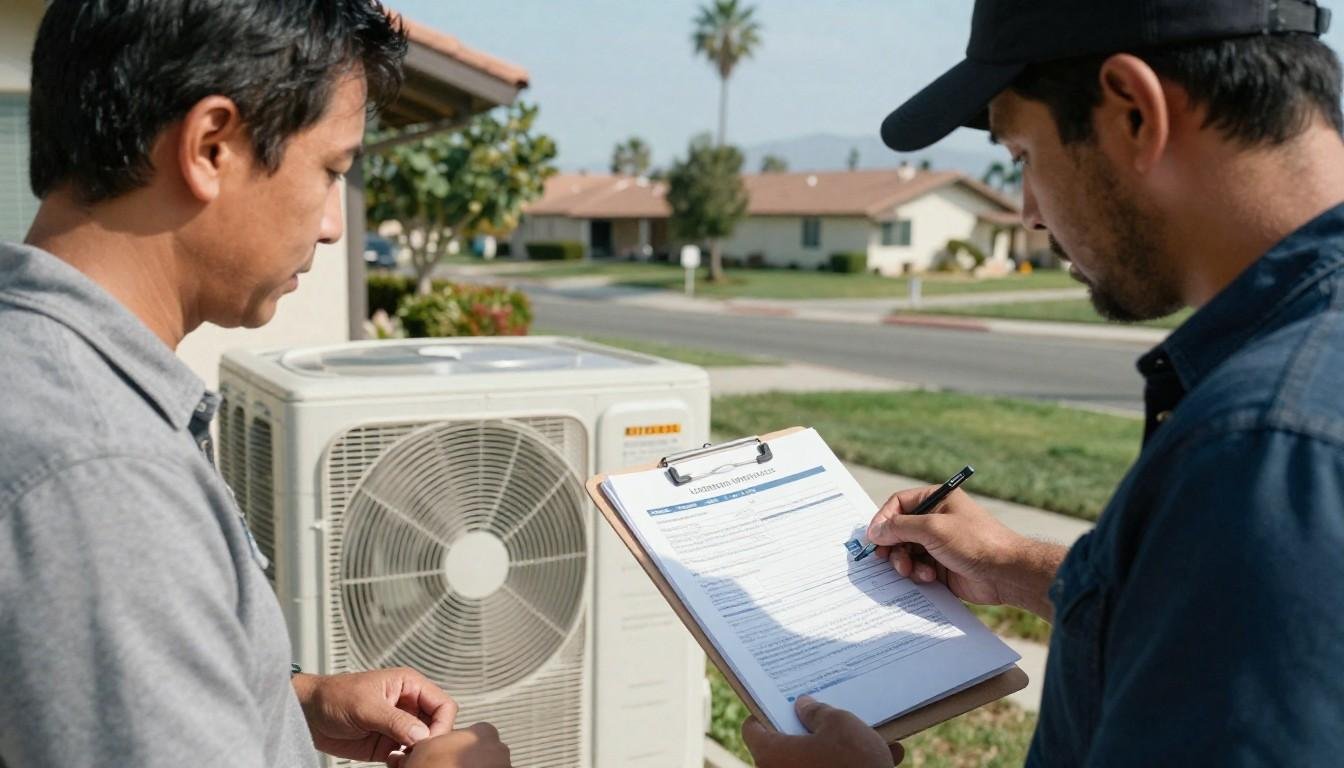
If you own a home or a small business in Lake Elsinore, you already know how much you rely on your air conditioning system. Summers stay hot, and energy bills climb fast. Because of that, HVAC rebates play a major role in lowering upfront costs when you repair or replace your system. In 2026, rebate programs have expanded, but many people still miss out because they skip steps or misunderstand the rules.
This HVAC rebate checklist helps you avoid that problem. You will learn how rebates work, which programs apply in California, and how to prepare before installation. You will also see common mistakes that cost homeowners and business owners thousands of dollars. Throughout this guide, you will get clear steps you can follow with help from Air Conditioning Repair Lake Elsinore, a local company that understands regional rules and utility programs.
Understanding HVAC Rebates and Incentives
What HVAC Rebates Are
HVAC rebates are cash incentives that lower the cost of installing high-efficiency heating and cooling equipment. Government agencies, utility companies, and energy programs offer them to encourage better energy use. You usually receive rebates as a check, a bill credit, or an instant discount.
Rebates differ from tax credits. A rebate reduces your cost shortly after installation. A tax credit reduces the taxes you owe when you file your return.
Why Rebates Exist
Rebates exist to reduce energy demand and cut emissions. High-efficiency HVAC systems use less power, which helps utilities manage peak demand during heat waves. In California, rebates also support the shift away from older gas systems.
For homeowners and small businesses, rebates lower the cost barrier for upgrading outdated equipment.
How Rebates Work
Each rebate program has its own rules. Some require preapproval before installation. Others allow you to apply after the job is complete. Most programs require proof of purchase, efficiency ratings, and installation by a licensed HVAC contractor.
Missing a step often leads to denial, which is why preparation matters.
Federal HVAC Rebate and Tax Credit Programs
High-Efficiency Electric Home Rebate Program
The High-Efficiency Electric Home Rebate Program supports heat pump installations and other electric upgrades. In California, income-qualified households can receive thousands of dollars for HVAC electrification.
If your household income falls within program limits, you may qualify for point-of-sale discounts. That means you pay less upfront instead of waiting for reimbursement.
Energy Efficient Home Improvement Credit
The federal Energy Efficient Home Improvement Credit allows you to claim a percentage of HVAC upgrade costs as a tax credit. Qualifying systems must meet updated efficiency standards, including SEER2 ratings.
This credit applies to homeowners, not renters, and has annual caps. You claim it when filing your federal taxes, so keep all receipts and documentation.
What Qualifying Equipment Must Meet
Most federal incentives require ENERGY STAR certified equipment. Heat pumps, central air conditioners, and ductless mini-splits must meet minimum efficiency levels.
Your contractor should confirm eligibility before installation. If you want help verifying equipment, a local team like Air Conditioning Repair Lake Elsinore can guide you before work begins.
California State and Local HVAC Rebates
TECH Clean California Incentives
TECH Clean California offers rebates for heat pumps and high-efficiency HVAC systems. These incentives support the state’s push toward cleaner energy.
Income-qualified households may receive higher rebate amounts. Contractors must participate in the program for you to qualify, which makes contractor selection critical.
Utility Company Rebates
Utility companies such as Southern California Edison and SoCalGas offer HVAC rebates for energy-efficient systems. These programs often include incentives for central AC replacements, heat pumps, and smart thermostats.
Rebate amounts depend on system type, efficiency, and usage patterns. Utility rebates often stack with state and federal programs.
ENERGY STAR and Local Adjustments
ENERGY STAR programs also support rebates through utility partnerships. In Lake Elsinore, local rebate availability can change yearly, so timing matters.
Checking current utility incentives before installation ensures you claim every available option.
Commercial and Small Business HVAC Incentives
State Business Rebates and Clean Energy Programs
Small businesses in California can access rebates for HVAC upgrades that reduce energy use. These programs often support rooftop units, split systems, and heat pumps.
Some incentives target small commercial spaces under a certain square footage or energy load.
Utility Rebates for Business Customers
Business customers may qualify for higher rebate amounts than homeowners. Utility companies reward reduced peak demand and improved efficiency.
If you operate a retail space, office, or warehouse in Lake Elsinore, these rebates can significantly lower replacement costs.
Checklist Before Applying for HVAC Rebates
Step 1 Determine Eligibility
Start by identifying which programs apply to you. Homeowners, landlords, and business owners often qualify under different rules. Income limits apply to certain state and federal rebates.
Knowing your eligibility early prevents wasted time.
Step 2 Identify Qualifying HVAC Equipment
Confirm that the HVAC system meets required efficiency standards. Check SEER2, EER2, and HSPF2 ratings.
If you are considering brand-specific systems, review options like Daikin air conditioning repair in Lake Elsinore or Trane air conditioning repair in Lake Elsinore pages to understand system compatibility and long-term support.
Step 3 Choose a Licensed Contractor
Many rebate programs require installation by a licensed and insured HVAC contractor. Some programs also require contractors to enroll in rebate networks.
Working with a local provider who handles rebate paperwork saves time and reduces errors. Learn more about the company background on the About Us page.
Step 4 Reserve or Apply Before Installation
Some rebates require reservation before work begins. If you install equipment first, you may lose eligibility.
Always confirm application timing before signing a contract.
Step 5 Track and Submit Paperwork Promptly
Save invoices, model numbers, efficiency labels, and installation dates. Submit all paperwork before deadlines.
If you want help reviewing estimates, see the guide on how to read an AC repair estimate and spot hidden fees or upsells.
Common Mistakes to Avoid
Installing Before Claiming Rebates
This is the most common error. Many homeowners assume rebates apply automatically. They do not.
Always verify requirements before installation.
Missing Deadlines
Rebate programs have strict deadlines. Late submissions usually receive no exceptions.
Mark calendar reminders to stay on track.
Choosing Non-Qualifying Equipment
A system that misses efficiency requirements by a small margin still fails. Double-check specs before purchase.
How to Maximize HVAC Savings
Stack Rebates and Tax Credits
You can often combine federal tax credits, state rebates, and utility incentives. Stacking reduces your net cost more than relying on a single program.
If financing is a concern, review zero-down and low-interest options for replacing an old AC system to pair rebates with payment plans.
Look for Add-On Rebates
Smart thermostats, duct sealing, and insulation upgrades may qualify for extra incentives. These upgrades also improve comfort and system performance.
Plan Ahead for Small Business Rebates
Businesses benefit from planning installations during off-peak seasons. Utility rebates may increase when energy demand is lower.
Bundling multiple units into one project may also increase savings.
Example Rebate Scenarios
Homeowner Rebate Example
You replace a 15-year-old AC with a high-efficiency heat pump. You qualify for a state rebate, a utility incentive, and a federal tax credit. Combined savings reduce your upfront cost by several thousand dollars.
Small Business Rebate Example
You upgrade a rooftop unit for a small retail space. Utility rebates and state incentives lower the project cost. Energy savings reduce monthly bills, improving long-term cash flow.
Conclusion
HVAC rebates in 2026 offer real savings, but only if you follow the rules. Preparation, equipment selection, and contractor choice all affect eligibility. By using this checklist, you reduce risk and increase savings.
If you want local guidance, visit Air Conditioning Repair Lake Elsinore to review services or schedule a consultation. You can also reach out directly through the contact page to discuss rebate-eligible upgrades for your home or business.
FAQs Homeowner and Small Business Questions
Yes, most programs allow stacking as long as each requirement is met.
Most rebates apply to replacements or upgrades, not standard repairs.
Many high-value rebates focus on heat pumps, but some incentives still support efficient AC systems.
Some programs overlap, but businesses often have separate utility incentives.
Processing times range from a few weeks to several months.
Yes, programs adjust annually based on funding and energy goals.
Yes, experienced contractors often manage documentation to reduce errors.