

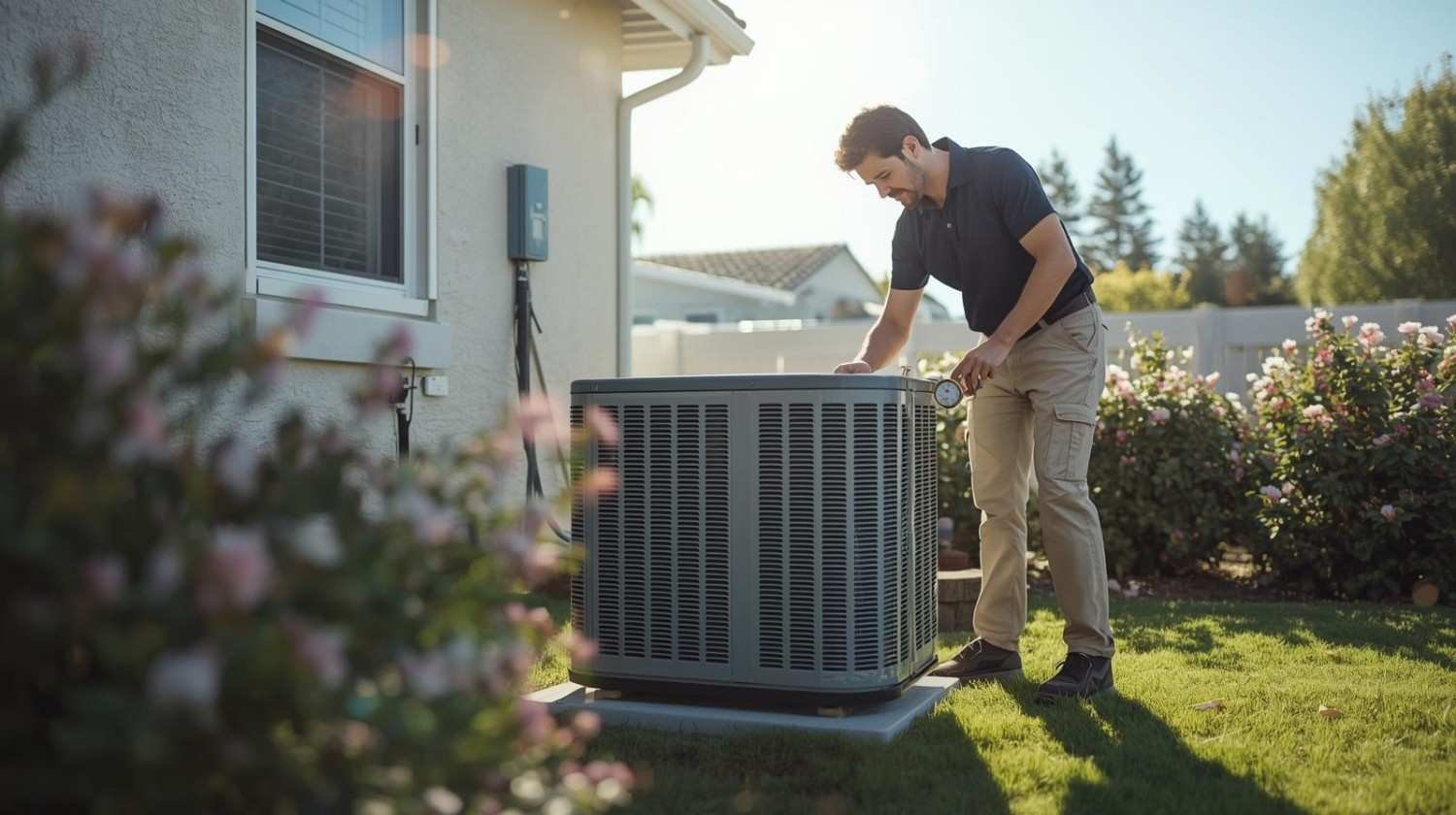
If you live in Lake Elsinore, you already know how quickly warm weather turns into long, hot months. Your air conditioner does most of the heavy lifting from late spring through early fall. Because of that, timing your AC maintenance matters more than many homeowners realize. Spring gives you a clear advantage. It lets you prepare your system before daily heat pushes it to its limits. In this guide, you will learn why spring is the smartest time for an AC tune-up in warm climates, what a tune-up includes, how it saves you money, and how it helps you avoid summer breakdowns.
Understanding the Climate in Warm Regions Like Lake Elsinore
Typical Seasonal Temperatures
Lake Elsinore has mild winters and early warming trends. By late March or April, daytime temperatures often reach the high 70s or low 80s. Summer regularly brings days above 95 degrees. This long cooling season means your AC runs more hours per year compared to cooler regions. That extra runtime increases wear on parts like compressors, capacitors, and fan motors.
Impact of Climate on AC Wear
Warm climates place constant stress on air conditioning systems. Dust, pollen, and debris build up quickly during spring winds. High outdoor temperatures force the condenser to work harder. Without early maintenance, small issues turn into big failures once summer heat arrives. A spring tune-up prepares your system for this reality instead of reacting after problems appear.
What an AC Tune-Up Actually Includes
Inspection of Key Components
During a professional AC tune-up, the technician checks all major electrical and mechanical parts. This includes contactors, capacitors, wiring connections, and safety controls. Loose or worn components can cause system failure during peak use. Catching them early helps you avoid emergency AC repair in Lake Elsinore during a heat wave.
Cleaning Tasks
Cleaning plays a major role in system performance. The technician cleans the condenser coils, checks the evaporator coil condition, and clears the condensate drain line. Dirty coils force the system to run longer to cool your home. That raises energy use and shortens equipment life.
Refrigerant Level Check
Correct refrigerant charge keeps your AC efficient. Low refrigerant reduces cooling capacity and strains the compressor. During a tune-up, the technician checks pressures and looks for early signs of leaks. This step becomes even more important with current refrigerant regulations and rising refrigerant costs.
Airflow and Thermostat Calibration
Proper airflow ensures even cooling throughout your home. The technician checks blower operation and duct airflow balance. Thermostat calibration also matters. An inaccurate thermostat causes short cycling or extended run times, which waste energy and increase wear.
Why Spring Is the Best Time for a Tune-Up
Beat the Peak Season Rush
Summer is the busiest time for HVAC companies. Emergency calls increase as systems fail under heat stress. When you schedule maintenance in spring, you avoid long wait times and limited appointment options. You also get more flexibility to plan repairs before temperatures spike.
Preventive Maintenance Reduces Breakdowns
Most AC failures start as small issues. A worn capacitor, dirty coil, or loose electrical connection often goes unnoticed until the system runs nonstop in summer. Spring tune-ups find and fix these problems early. Preventive maintenance reduces the risk of breakdowns during the hottest days of the year.
Improve Efficiency Before High Utility Bills
Energy costs rise in summer because your AC runs longer. A tuned system cools faster and cycles correctly. That lowers monthly utility bills. In warm climates like Lake Elsinore, even a small efficiency improvement adds up over a long cooling season.
Longer System Life and Fewer Repairs
AC systems that receive regular maintenance last longer. Clean components experience less strain. Electrical parts operate within safe limits. Over time, this reduces repair frequency and delays system replacement. Spring tune-ups set the tone for the entire cooling season.
Cost and Financial Benefits of Spring Tune-Ups
Typical Tune-Up Costs in 2026
In 2026, AC tune-up costs in Southern California typically range from $99 to $199, depending on system size and service depth. Some companies offer spring maintenance specials to encourage early scheduling. This cost is minor compared to emergency repairs that can exceed $800 or more.
Energy Savings and Lower Bills
A well-maintained AC system can reduce energy use by 10 to 15 percent. In a warm climate, that translates into noticeable savings over several months. Cleaner coils, correct refrigerant levels, and proper airflow all contribute to lower cooling costs.
Comparison to Emergency Repair Costs
Emergency AC repairs cost more because of overtime labor, urgent scheduling, and severe component damage. Compressor replacements or refrigerant leak repairs often run into the thousands. A spring tune-up helps you avoid these expenses by addressing problems early.
Common Issues Caught During Spring Tune-Ups
Refrigerant Leaks
Small refrigerant leaks often go unnoticed during mild weather. During a tune-up, technicians look for pressure irregularities and oil residue. Finding leaks early prevents compressor damage and avoids higher repair costs later.
Dirty Coils and Reduced Airflow
Spring pollen and dust collect on coils quickly. Dirty coils restrict heat transfer and force longer run times. Cleaning them restores efficiency and improves indoor comfort.
Electrical Wear and Loose Connections
Electrical components degrade over time due to heat and vibration. Loose connections create resistance and increase the risk of failure. Spring inspections identify these issues before summer stress makes them worse.
Thermostat Problems
Faulty thermostats cause uneven cooling and wasted energy. Calibration and testing during a tune-up ensure accurate temperature control throughout your home.
New 2026 HVAC Maintenance Trends and Technologies
Smart Diagnostics and App Monitoring
Many newer AC systems include smart sensors that track performance data. Technicians now use diagnostic tools that identify efficiency losses and early failure patterns. These tools improve accuracy and reduce guesswork during maintenance visits.
Improved Filtration and Indoor Air Quality
Homeowners increasingly focus on indoor air quality. Tune-ups now often include filter evaluations and airflow checks that support better filtration. Clean systems support healthier indoor air, especially during allergy season.
Predictive Maintenance Tools
Advanced systems can alert homeowners to issues before breakdowns occur. While not universal yet, predictive maintenance continues to grow in warm-climate markets where AC reliability matters most.
DIY Preparations Before Professional Tune-Up
Simple Filter Changes
You can help your system by replacing the air filter before your appointment. A clean filter improves airflow and allows the technician to assess system performance accurately.
Clear Outdoor Unit Debris
Remove leaves, dirt, and vegetation from around the condenser. Clear space improves airflow and prevents overheating during operation.
Check Thermostat Settings
Confirm your thermostat works properly and switches between modes. Note any unusual behavior so you can share it with the technician during the tune-up.
What to Expect from Your AC Tune-Up Visit
Checklist Walk-Through
A professional technician follows a detailed checklist during the visit. This includes inspections, cleaning, testing, and performance measurements. You should receive a summary of findings after the service.
Technician Communication Tips
Ask questions during the visit. Request explanations of any recommended repairs. A good technician explains issues clearly and provides options without pressure. If you need help understanding estimates, you may find it useful to review guidance like how to read an AC repair estimate and spot hidden fees or upsells.
Follow-Up Recommendations
After the tune-up, the technician may suggest future maintenance or minor repairs. Addressing these early helps you avoid larger problems later in the season.
Conclusion
Spring gives you the best chance to prepare your AC system for months of heavy use. In warm climates like Lake Elsinore, early maintenance prevents breakdowns, lowers energy costs, and extends system life. A spring AC tune-up offers peace of mind before summer heat arrives. If you want reliable cooling all season, scheduling maintenance now is a smart move. You can learn more about professional service options by visiting Air Conditioning Repair Lake Elsinore or scheduling an appointment through the contact page.
FAQs — Homeowner Questions Answered
You should schedule a professional AC tune-up once per year, ideally in spring before heavy cooling demand begins.
Yes. Improved efficiency, cleaner components, and proper airflow help reduce energy use during peak cooling months.
You can handle basic tasks like filter changes and debris removal. However, professional inspections and refrigerant checks require proper tools and training.
In warm climates, spring is better because it prepares your system for months of heavy use. Fall maintenance focuses more on post-season checks.
Skipping maintenance increases the risk of breakdowns, higher utility bills, and costly emergency repairs during extreme heat.
Most tune-ups take 60 to 90 minutes, depending on system size and condition.
Some services include filter replacement, while others inspect and recommend the correct filter. Always confirm what is included before scheduling.