

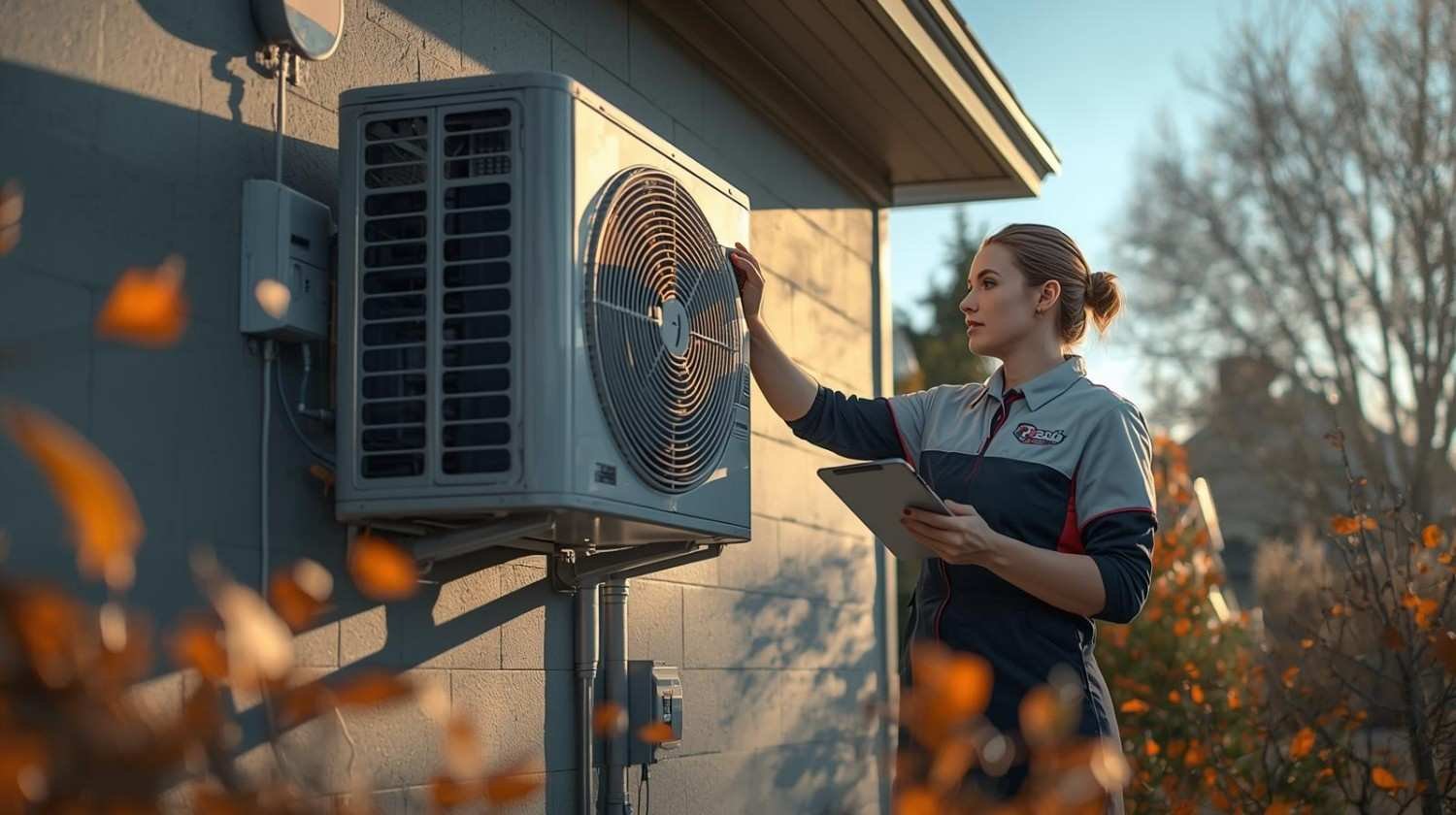
Mild winters in Lake Elsinore and the surrounding Riverside County area can make it easy to think your air conditioning system doesn’t need attention during the colder months. After all, if you’re barely running your AC, why worry? The truth is, even when winter is warm, your AC still faces wear and tear, dust buildup, and efficiency challenges. Planning your off‑season maintenance during these months ensures your system is ready for the hotter months ahead and can help prevent unexpected breakdowns.
In this article, you’ll learn how mild winters affect your AC, why maintenance is still important, and what steps you should take to keep your system in top condition.
What ‘Off‑Season’ Means in Warm Climates
Defining Off‑Season for AC in Lake Elsinore
In colder climates, the AC off‑season may last several months when temperatures rarely exceed 60°F. In Lake Elsinore, however, mild winters mean your AC still runs occasionally, especially on warmer days. Off‑season here refers to late fall through early spring, when AC usage drops but doesn’t stop entirely.
AC Runtime Patterns in Warm Areas
Even in winter, Lake Elsinore residents may experience short heat waves or unseasonably warm afternoons. Data from Southern California shows that homes and small businesses often use cooling at least sporadically, which contributes to gradual wear on components. While your system works less than in peak summer, it still deserves attention.
AC Wear and Tear During Mild Winters
Reduced Runtime vs Steady Demand
Because your AC runs less frequently in winter, some homeowners assume it’s safe to skip maintenance. However, even occasional use puts stress on the compressor, fan motors, and electrical components. Minor issues that go unnoticed in winter can become major problems when summer hits.
Dust, Pollen, and Indoor Air Loads in Winter
Warm winters still bring dust, pollen, and indoor particles into your home. AC systems filter these particles as they circulate air. If filters and coils aren’t cleaned during off‑season maintenance, reduced airflow and contamination can lower system efficiency and indoor air quality.
Moisture and Humidity Factors
Mild winter conditions can allow higher humidity than colder months, creating condensation in ducts and on coils. Moisture buildup can lead to mold, corrosion, and reduced efficiency. Routine off‑season checks help prevent long-term damage caused by unseen moisture issues.
Why You Still Need an Off‑Season AC Maintenance Plan
Catch Issues Before Spring and Summer
Scheduling maintenance during winter or early spring gives technicians time to inspect your system thoroughly. Catching leaks, electrical faults, or refrigerant issues early prevents inconvenient breakdowns during the hot season.
Protecting Long-Term Efficiency
Maintenance in the off-season preserves efficiency. Clean coils, properly charged refrigerant, and functioning fans reduce energy bills when your AC is running daily during summer.
Warranty Requirements and Best Practices
Many AC manufacturers require regular maintenance to keep warranties valid. Scheduling an off-season service aligns with these requirements and ensures your warranty remains in effect, avoiding costly out-of-pocket repairs later.
Key AC Maintenance Tasks During Mild Winters
System Inspection
Technicians check electrical connections, inspect the compressor, examine belts, and assess overall system health. Even with low runtime, these inspections catch potential problems before they escalate.
Filter Replacement and Airflow Evaluation
Changing filters during winter prevents dust and debris accumulation. Your system can move air more efficiently, protecting indoor air quality, particularly for households with allergy or asthma concerns. For more insights on maintaining indoor air quality, see our guide on AC maintenance and indoor air quality.
Coil Cleaning and Condensate Line Care
Evaporator and condenser coils accumulate dirt over time. Cleaning them ensures efficient heat transfer and reduces energy use. Condensate lines also need clearing to prevent water damage and mold growth.
Thermostat Calibration and Controls Check
Even minor thermostat inaccuracies can increase energy use. Winter maintenance includes verifying calibration and testing controls for proper operation, ensuring comfort during occasional warm days.
Duct Inspection and Sealing
Duct leaks reduce efficiency and can introduce dust or pollen. Technicians inspect for leaks and seal any gaps, preserving airflow and maintaining indoor air quality.
Financial Impacts and Trends (2026 Context)
2026 Typical Maintenance Investment
In Lake Elsinore, a professional off-season AC tune-up typically ranges between $120 and $250, depending on system size and type. These small investments prevent more costly repairs during peak summer months.
Cost Savings From Off-Season Prep
Regular maintenance reduces energy consumption by 10–20%, lowers repair bills, and extends your AC’s lifespan. Addressing small issues during the off-season avoids emergency repairs, which can cost hundreds more.
Impact of Refrigerant Trends on Maintenance Costs
With refrigerant phase-downs continuing in 2026, replacing or recharging R-410A or newer low-GWP refrigerants may become more expensive. Proper off-season maintenance reduces the likelihood of leaks, helping manage costs and comply with current regulations. For more on refrigerant trends, see Refrigerant phase-downs explained.
Common Myths and Misconceptions
“No Winter Use, No Maintenance Needed”
Even if your AC is barely used, skipping off-season maintenance leaves hidden problems unaddressed. Components degrade slowly, and issues like low refrigerant, dust, or duct leaks can go unnoticed until summer.
“Summer Service Is Enough”
Waiting until peak season risks higher repair costs and emergency service delays. Early maintenance ensures your system operates efficiently when cooling demand is highest. For tips on summer vs off-season servicing, check our guide on spring AC tune-ups.
Best Timing and Scheduling Tips
Ideal Months for Off-Season Tune-Ups
Late January through March offers the perfect window. AC units are not in heavy use, and technicians can schedule service without peak-season delays.
How to Avoid Peak Maintenance Rush
Booking in early winter avoids spring surges in service requests. Planning ahead ensures availability and better pricing.
Setting a Regular Maintenance Calendar
Create an annual maintenance plan with reminders to schedule service every winter or early spring. This practice protects your investment and ensures year-round comfort.
DIY Checks You Can Do in Mild Winters
Visual Outdoor Unit Inspection
Look for debris, leaves, or standing water around the condenser. Remove any obstructions to maintain airflow.
Indoor Vent and Filter Spot Checks
Check filters monthly and replace them as needed. Ensure vents are not blocked by furniture or curtains.
Thermostat Function Tests
Adjust your thermostat for a warm day and verify that the system responds correctly. This helps identify minor control issues early.
When to Call a Professional
If you notice unusual noises, weak airflow, or uneven cooling, contact a certified AC technician promptly. Professional inspections prevent small issues from escalating.
Conclusion
Even in mild winters, off-season AC maintenance is essential for efficiency, longevity, and indoor comfort. Proper inspections, filter changes, coil cleaning, and duct care help prevent costly repairs and maintain optimal performance. By scheduling your winter maintenance now, you can enjoy reliable cooling throughout Lake Elsinore’s hot months and keep energy costs under control.
Protect your investment, maintain indoor air quality, and stay ahead of seasonal issues by planning your AC service during the off-season.
FAQs
Yes. Even occasional use causes wear, and off-season maintenance helps catch hidden problems early.
Late winter or early spring is ideal, before peak cooling demand begins.
Regular care reduces stress on components, extends lifespan, and maintains energy efficiency.
You can replace filters and check vents, but professional inspections are needed for coils, refrigerant, and electrical systems.
Most manufacturers require annual maintenance. Scheduling off-season service helps keep warranties valid.
Even when not in heavy use, your AC filters air, and dust or pollen can reduce efficiency and air quality.
An annual off-season tune-up is recommended, with monthly filter checks between professional services.