

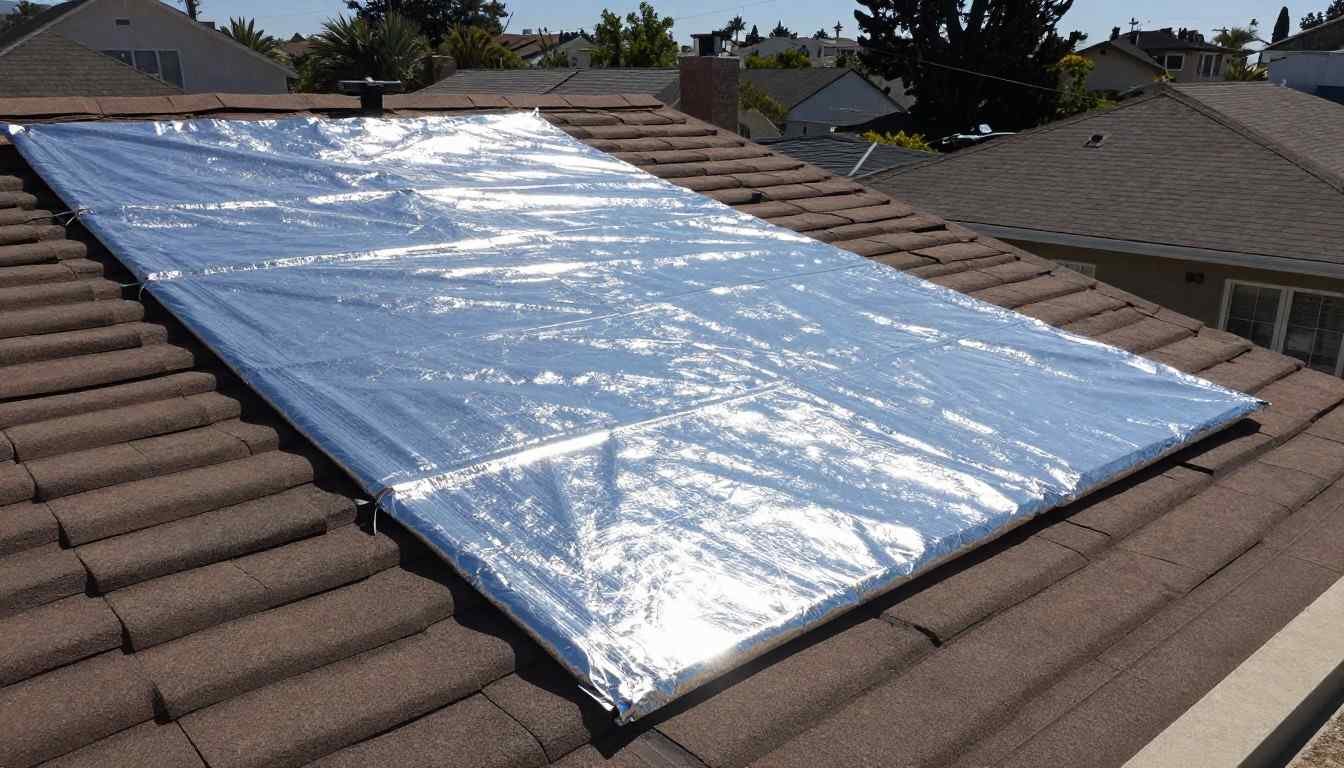
If you live in Lake Elsinore, you already know how intense summer heat can feel. What many homeowners do not realize is how much that heat builds up in the attic and quietly damages your air conditioning system. Over time, excess attic heat forces your AC to work longer and harder, which leads to more frequent breakdowns and higher repair costs.
This is where attic insulation and radiant barriers play a major role. These upgrades do more than improve comfort. They help reduce AC runtime, lower system stress, and cut down on repair calls in hot regions like Southern California. In this guide, you will learn how attic heat affects your AC, how insulation and radiant barriers work, and why these upgrades matter in 2026.
Understanding Heat Gain in Attics
Roof Heat Transfer in Warm Climates
In hot regions, your roof absorbs solar heat all day. During peak summer afternoons, roof surfaces can reach temperatures well above 150 degrees. That heat transfers directly into your attic through conduction and radiation. In Lake Elsinore, attic temperatures often rise above 130 degrees during heat waves.
Once heat enters the attic, it stays trapped if insulation or ventilation falls short. This trapped heat becomes a constant source of strain on your home and your cooling system.
How Attic Heat Affects AC Workload
Your AC system works by pulling heat from inside your home and releasing it outdoors. When attic temperatures rise, heat seeps back into living spaces through ceilings, ductwork, and air leaks. As a result, your AC cycles more often and runs longer.
Longer run times increase electrical load, raise refrigerant pressure, and accelerate wear on compressors, blower motors, and capacitors. This is one reason homeowners often call for AC repair in Lake Elsinore during extreme heat events.
What Attic Insulation Does
Insulation R Values Explained
Insulation slows the flow of heat between your attic and your living space. The effectiveness of insulation depends on its R value, which measures resistance to heat transfer. Higher R values provide better insulation.
In hot climates, recommended attic insulation levels continue to increase. By 2026, many Southern California homes aim for R 38 to R 49 in attics to reduce heat gain and cooling demand.
How Insulation Reduces Heat Transfer
Attic insulation blocks conductive heat from moving through your ceiling. It also limits convective heat movement caused by hot attic air. When insulation works correctly, it keeps indoor temperatures more stable and reduces the amount of heat your AC must remove.
This reduction in heat transfer directly lowers system runtime and reduces mechanical stress. Fewer run hours often lead to fewer repair calls over the life of the system.
Insulation Levels Recommended for Lake Elsinore
Homes in Lake Elsinore benefit most from thick, evenly installed insulation with no gaps or compression. Many older homes still fall below current insulation standards. Upgrading attic insulation often delivers faster results than homeowners expect, especially during extended heat periods.
What Radiant Barriers Do
Radiant Heat vs Conductive Heat
While insulation blocks conductive heat, radiant barriers address radiant heat. Radiant heat travels directly from the hot roof surface into attic spaces. Radiant barriers reflect this heat before it spreads.
In hot regions, radiant heat makes up a large portion of attic temperature increases. This is why radiant barriers matter even when insulation already exists.
Types of Radiant Barriers
Most radiant barriers use reflective foil materials. Installers typically attach them to the underside of roof decking or drape them over attic framing. Some homeowners also use reflective roof coatings as part of a broader heat control plan.
Proper placement matters. Incorrect installation reduces effectiveness and may interfere with attic ventilation.
When Radiant Barriers Are Most Effective
Radiant barriers work best in homes with high solar exposure and limited tree cover. They also provide greater benefits when paired with proper insulation and attic ventilation. In Lake Elsinore, radiant barriers often reduce attic temperatures by 20 to 30 degrees during peak summer days.
How Insulation and Radiant Barriers Reduce AC Repair Calls
Lower System Run Time
When attic heat drops, indoor temperatures remain stable longer. Your AC cycles less often and avoids constant operation during peak heat. Reduced runtime lowers wear on key components and helps systems last longer.
Many homeowners who upgrade attic insulation notice fewer emergency repair calls during summer heat waves.
Reduced Component Stress
High attic heat raises refrigerant pressures and motor temperatures. Over time, this stress leads to capacitor failure, motor burnout, and compressor damage. By controlling attic heat, insulation and radiant barriers reduce this stress.
This is especially important if you own a system from brands like Trane, Lennox, or Goodman. Proper heat control helps protect your investment and delays costly repairs. If your system needs service, professional AC repair in Lake Elsinore can confirm whether attic heat contributes to ongoing issues.
Improved Indoor Comfort
Better attic heat control also improves comfort. Rooms feel more even in temperature, and your system avoids short cycling. Many homeowners mistake uneven cooling for AC failure when attic heat or duct exposure causes the problem. Addressing attic conditions often resolves these comfort complaints.
Cost and Return on Investment
Typical Insulation and Radiant Barrier Costs in 2026
In 2026, attic insulation upgrades in Lake Elsinore often range from moderate to mid-level costs depending on square footage and material type. Radiant barrier installation adds to the upfront cost but often delivers noticeable temperature reductions.
While costs vary, these upgrades usually cost far less than repeated AC repairs or early system replacement.
Savings in Energy Bills
Energy savings remain one of the most immediate benefits. Many homeowners see cooling cost reductions of 10 to 20 percent after improving attic insulation and radiant barriers. Lower energy use also reduces stress on electrical components.
Reduced Repair Bills
Over time, reduced runtime leads to fewer service calls. Homeowners who invest in attic upgrades often report fewer breakdowns during peak heat months. This aligns with repair data trends across Southern California.
Payback Timeline Examples
In many cases, energy savings and reduced repair costs help pay back attic improvements within a few years. Homes with older insulation often see the fastest returns.
New Trends and Technologies in 2026
Advanced Insulation Materials
Modern insulation materials now offer higher performance with less thickness. Spray foam options provide strong air sealing, while newer fiberglass products resist settling and moisture issues.
Reflective Roofing and Cool Roof Coatings
Cool roof systems complement attic improvements. Reflective roofing reduces heat absorption before it reaches the attic. When combined with radiant barriers, these systems offer layered heat control.
Integrated Attic Ventilation Systems
Solar attic fans and improved ridge vent designs help remove trapped heat. Ventilation works best when paired with insulation and radiant barriers, not as a replacement.
When to Combine Attic Improvements with AC Service
During Major Repairs or Replacements
If your system needs frequent repairs, attic upgrades often make sense at the same time. This approach prevents new equipment from suffering the same heat-related stress as the old system. Homeowners considering system replacement may also explore financing options like zero-down AC replacement plans.
When You Experience Frequent Breakdowns
If you call for AC repair more than once per season, attic heat may play a role. A professional inspection can identify hidden heat issues.
Before Summer Peak Demand
Spring remains the ideal time for attic upgrades. This timing aligns with the advice shared in why spring is the smartest time for an AC tune-up in warm climates.
At Time of Home Renovations
Renovations offer easier attic access. Adding insulation or radiant barriers during these projects reduces labor costs.
DIY vs Professional Installation
DIY Attic Insulation Tips
Some homeowners handle basic insulation projects on their own. Safety matters. You must wear proper protective gear and avoid blocking vents or electrical components.
When to Call a Professional
Professional installation ensures correct coverage, ventilation balance, and code compliance. Poor installation reduces effectiveness and may cause moisture problems.
Local Expertise in Lake Elsinore
Local climate knowledge matters. A contractor familiar with Lake Elsinore understands heat patterns, roofing styles, and attic designs common in the area. Learn more about our background on the About Us page.
Conclusion
Attic insulation and radiant barriers do more than improve comfort. They reduce AC runtime, lower system stress, and help prevent costly repairs in hot regions. In Lake Elsinore, where heat drives cooling demand, these upgrades offer lasting value.
If your AC struggles during summer or needs frequent service, attic conditions may be the missing link. Addressing attic heat now can help your system last longer and perform better year after year.
FAQs Homeowner Questions Answered
High attic heat forces longer runtimes and raises component temperatures, which speeds up wear.
Most homes benefit from attic insulation levels between R 38 and R 49.
Yes. They reflect roof heat and lower attic temperatures, which reduces cooling demand.
You can handle small projects, but professional installation offers better results and safety.
Lower runtime and stress often lead to fewer breakdowns over time.
In hot regions, radiant barriers remain a strong option, especially when paired with insulation.
Most projects finish within one to two days, depending on attic size and access.