

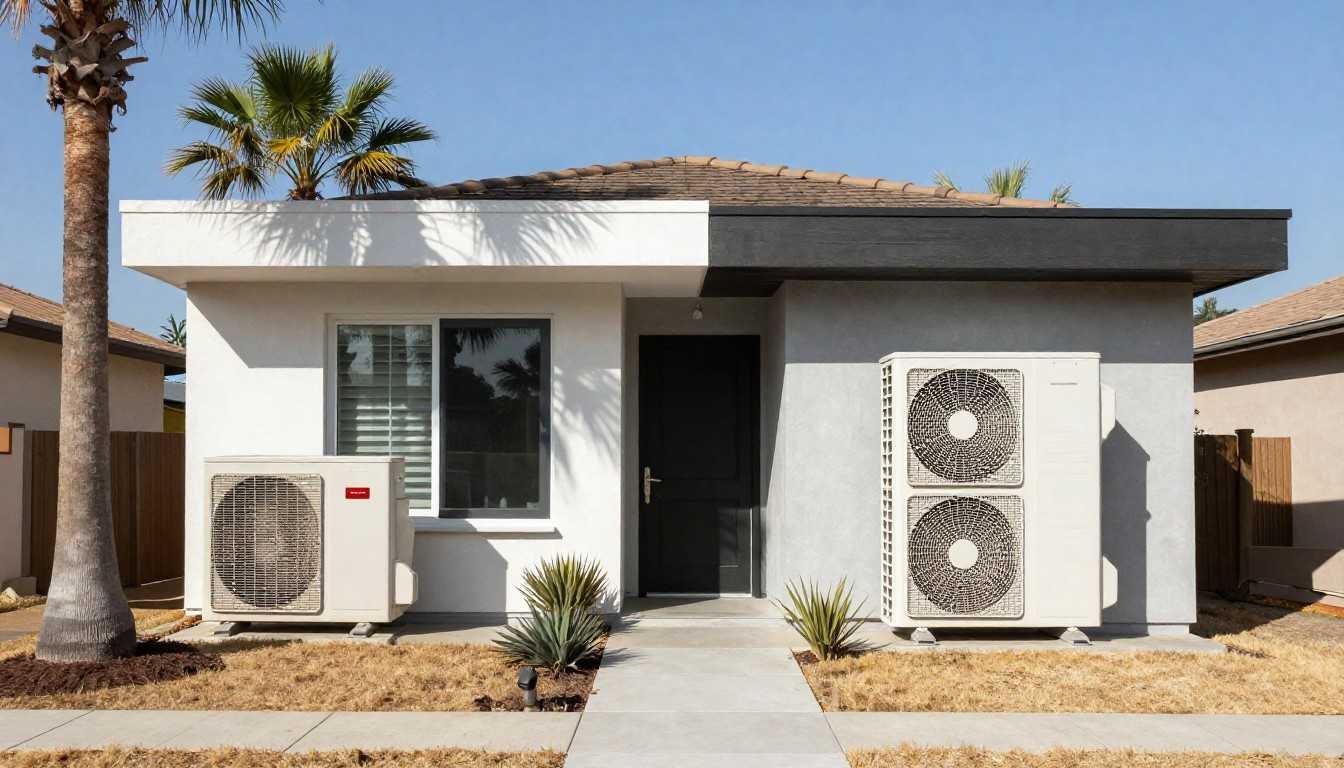
If you live in Lake Elsinore, you depend on reliable cooling more than most homeowners. Long summers, steady heat, and rising energy costs make system choice important. You often hear about heat pumps as an alternative to traditional air conditioning. Yet many homeowners still feel unsure about repair costs, system lifespan, and everyday comfort.
This guide helps you compare heat pumps and traditional AC systems using real factors that matter in warm climates. You will learn how each system performs, what repairs cost in 2026, how long systems last, and which option fits your home and budget best. The goal is simple. You get clear facts so you can make a confident decision.
What Is a Traditional Air Conditioner?
How Traditional AC Systems Work
A traditional air conditioner cools your home by removing heat from indoor air and releasing it outside. The system relies on a compressor, condenser coil, evaporator coil, and refrigerant. The AC cycles on when your thermostat senses warm air and shuts off once the set temperature is reached.
Most Lake Elsinore homes use central AC systems with ductwork that distributes cool air to each room. These systems focus only on cooling. They do not provide heat.
Common Types of Traditional AC Systems
You usually see two common options:
Central split systems that pair an outdoor condenser with an indoor air handler
Packaged units that combine all components in one outdoor cabinet
Traditional AC systems remain popular because they are familiar, widely available, and simpler to repair.
What Is a Heat Pump?
How Heat Pumps Work
A heat pump uses electricity to move heat instead of generating it. During summer, it works like a traditional AC by moving heat out of your home. During cooler months, it reverses operation and pulls heat from outdoor air into your home.
A reversing valve allows the system to switch between cooling and heating modes. This dual function makes heat pumps appealing in mild winter climates like Southern California.
Types of Heat Pumps
Common options include:
Air source heat pumps for homes with ductwork
Ductless mini split heat pumps for room by room control
High efficiency inverter heat pumps gaining popularity in 2026
Heat pumps continue to grow due to energy policy changes and rebate programs.
Repair Cost Comparison
Typical Repair Costs for Traditional AC
Traditional AC repairs remain predictable in cost. In 2026, common repair ranges in Lake Elsinore include:
Capacitor replacement: $180 to $350
Refrigerant leak repair: $450 to $1,200
Compressor repair or replacement: $1,500 to $3,200
Because parts are widely available, labor time stays reasonable. If you want to understand repair pricing better, this guide on how to read an AC repair estimate and spot hidden fees explains common line items clearly.
Typical Repair Costs for Heat Pumps
Heat pumps share many parts with AC systems, but added components increase repair costs. Common heat pump repairs include:
Reversing valve replacement: $900 to $2,200
Defrost board repair: $400 to $900
Inverter control issues: $700 to $2,500
Parts cost more due to system complexity. Skilled labor also adds cost.
Why Cost Differences Exist
Heat pumps operate year round, so components see more run time. Advanced electronics increase diagnosis time. Refrigerant changes also raise service costs for both systems, especially under new refrigerant rules explained here:
https://airconditioningrepairlakeelsinoreca.com/refrigerant-phase-downs-explained-what-homeowners-need-to-know-about-future-ac-repairs/
Lifespan Comparison
Traditional AC Lifespan
A traditional AC system lasts about 12 to 15 years in warm climates. Heat stress, long run cycles, and skipped maintenance shorten lifespan.
Regular tune ups extend service life. Homes that schedule annual checks often reach the higher end of the range.
Heat Pump Lifespan
Heat pumps typically last 10 to 14 years. Because they cool and heat, parts experience more wear. Proper installation and airflow balance play a major role in longevity.
How Maintenance Impacts Longevity
Maintenance matters for both systems. Coil cleaning, refrigerant checks, and airflow testing reduce breakdown risk. This article on AC maintenance and indoor air quality explains how upkeep protects system health.
Comfort and Performance Differences
Cooling Performance in High Heat
Traditional AC systems handle extreme heat well. They deliver steady cooling even during triple digit days common in Lake Elsinore.
Heat pumps cool effectively too, but some lower efficiency models struggle under sustained high outdoor temperatures. Newer inverter heat pumps perform better but cost more upfront.
Year Round Comfort
Heat pumps offer heating during winter without gas. This works well during mild Lake Elsinore winters. However, cold mornings may require longer run times.
Traditional AC systems rely on separate heating systems like furnaces.
Noise, Airflow, and Indoor Environment
Modern heat pumps operate quietly and provide smoother airflow. Traditional AC systems may cycle louder but offer strong cooling bursts. Comfort also depends on duct condition and layout. Poor duct design often causes uneven temperatures, as explained here:
https://airconditioningrepairlakeelsinoreca.com/when-poor-duct-design-is-the-real-cause-of-hot-and-cold-spots-not-your-ac/
Energy Efficiency and Operating Costs
Efficiency Ratings Explained
Traditional AC systems use SEER2 ratings. Heat pumps use both SEER2 and HSPF2 ratings. Higher numbers mean better efficiency.
In 2026, many new heat pumps exceed minimum standards, which lowers monthly energy use.
Seasonal Cost Differences
Traditional AC systems consume electricity only during cooling months. Heat pumps consume power year round. In Lake Elsinore, many homeowners see similar annual energy costs, with heat pumps saving slightly during shoulder seasons.
Rebates and Incentives
Heat pumps qualify for federal and state rebates. Incentives help offset higher purchase costs. You can review rebate eligibility using this HVAC rebate checklist:
https://airconditioningrepairlakeelsinoreca.com/hvac-rebate-checklist-for-homeowners-and-small-businesses/
Installation Cost and Considerations
Upfront Cost Comparison
Traditional AC installation ranges from $5,500 to $9,000. Heat pump installation ranges from $8,000 to $14,000 depending on efficiency and ductwork needs.
Ductwork and Sizing Issues
Existing ducts may require upgrades. Leaky or undersized ducts reduce comfort and raise repair risk. Duct inspections often reveal hidden problems, as explained here:
https://airconditioningrepairlakeelsinoreca.com/when-ac-repair-should-include-a-duct-inspection-and-cleaning/
Choosing the Right System for Your Home
Single story homes often adapt well to heat pumps. Larger or older homes may benefit from traditional AC with proven cooling power.
Decision Guide: Which Makes Sense for You?
When Traditional AC Is the Better Choice
Choose traditional AC if you want lower upfront cost, predictable repairs, and strong cooling during peak heat.
When a Heat Pump Makes Sense
Choose a heat pump if you want one system for heating and cooling, access to rebates, and moderate winter heating needs.
Hybrid or Supplemental Systems
Some homes use heat pumps with backup heating. This balances comfort and reliability.
Conclusion
Both heat pumps and traditional AC systems work well in Lake Elsinore when properly installed and maintained. Traditional AC offers simplicity and dependable cooling. Heat pumps offer flexibility and efficiency with higher upfront cost.
The right choice depends on your home layout, comfort goals, and long term budget. A professional evaluation helps you avoid costly mistakes. You can schedule an assessment or request guidance directly through Air Conditioning Repair Lake Elsinore.
FAQs
Are heat pumps more expensive to repair than traditional AC units?
Yes. Heat pumps often cost more to repair due to added components.
Do heat pumps work well in Lake Elsinore heat?
High efficiency models perform well, but traditional AC handles extreme heat better.
How long should a traditional AC last?
Most systems last 12 to 15 years with proper maintenance.
Will a heat pump lower energy bills?
It can, especially with rebates and efficient usage.
Can you use existing ducts for a heat pump?
Yes, if ducts are properly sized and sealed.
Are rebates available in 2026?
Yes. Federal and state incentives remain active.
Should you replace both AC and furnace together?
Often yes, especially when switching to a heat pump system.