

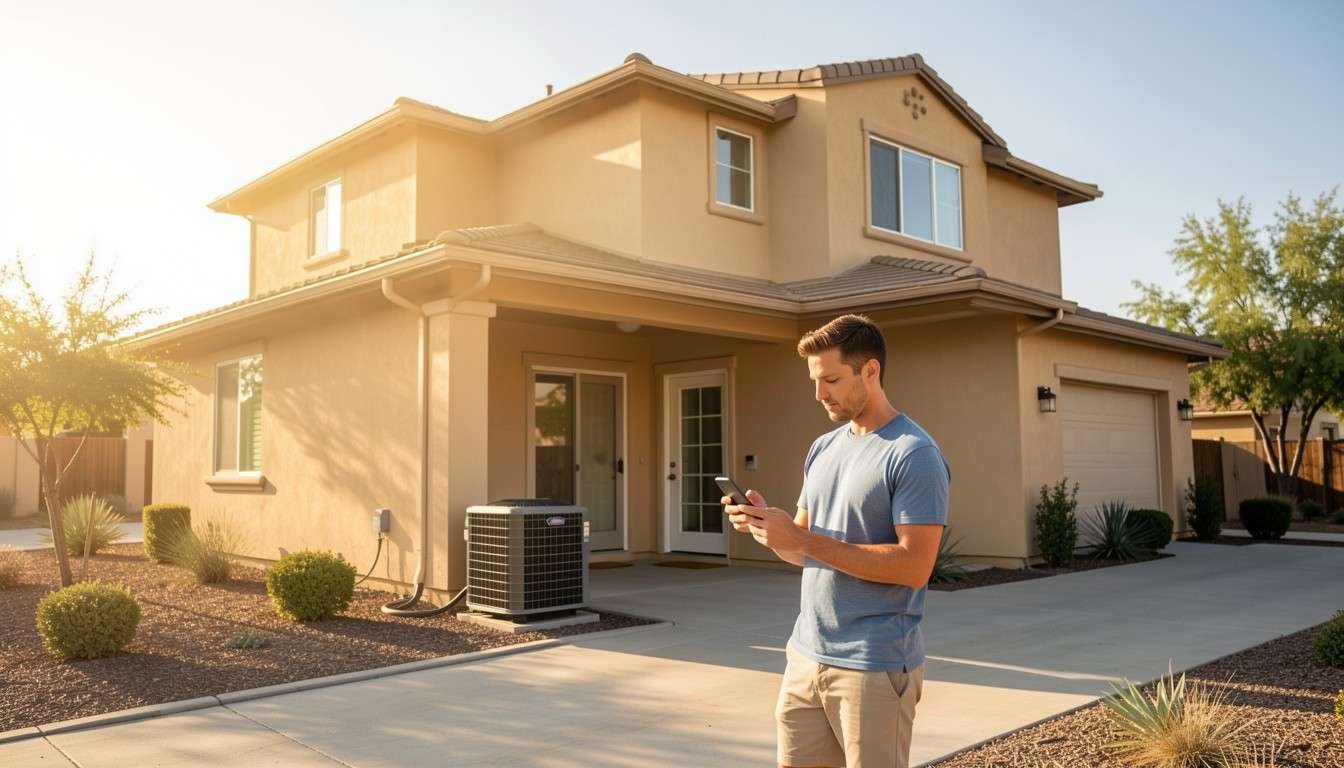
If your AC seems to run all day in Lake Elsinore, smart sensors and zoning may help you cut wasted runtime, reduce system wear, and improve comfort in the rooms you actually use. That matters in a city where August daily highs are around 87°F and long hot stretches can keep cooling systems working hard for months.
Why This Topic Matters in Lake Elsinore
Your air conditioner has a harder job in Lake Elsinore than it would in many milder areas. Inland heat, strong afternoon sun, and warm upstairs rooms can keep your system running longer than it should, especially if one thermostat tries to manage the entire home. WeatherSpark says August is the hottest month in Lake Elsinore, with an average high of 87°F.
That extra runtime does more than raise your bill. It also adds wear to your compressor, blower motor, capacitor, and contactor. If your home has hot and cold spots, low-use rooms, or uneven airflow, your AC may be cooling areas that do not need the same level of comfort all day.
What Smart Sensors and Zoning Actually Mean
A smart thermostat is a Wi-Fi connected control that helps you manage cooling through schedules, remote access, and home or away settings. ENERGY STAR says smart thermostats automatically adjust heating and cooling temperatures for comfort and energy savings.
Room sensors help by measuring temperatures in the rooms that matter most to you instead of relying on one hallway thermostat. Zoning goes a step further because it uses dampers inside the duct system to direct airflow to separate parts of the home. In simple terms, sensors improve what the thermostat knows, while zoning improves where the conditioned air goes.
How These Upgrades Reduce Runtime
These upgrades reduce runtime by cutting waste. If your guest room stays empty most of the week, or if your upstairs bedrooms only need extra cooling at night, your AC does not need to treat every room the same way from morning to bedtime.
That is why smart controls can help in the right setup. ENERGY STAR says the average certified smart thermostat saves about 8% on heating and cooling bills, or about $50 per year, and savings may be greater depending on climate, occupancy, comfort preferences, and HVAC equipment.
Still, you should keep your expectations realistic. A thermostat upgrade will not fix every comfort problem. If your home has leaky ducts, weak return airflow, poor attic insulation, or blocked vents, your AC may still run too long. In many homes, the real issue is poor duct design, not the thermostat itself.
How These Upgrades Reduce Wear on the AC
Less unnecessary runtime usually means less long-term wear. When your system avoids wasted cooling cycles, you reduce the total workload on the parts that take the most stress during summer.
Smart sensors can also help your system cycle more sensibly. If the thermostat sits in a cooler hallway while bedrooms stay warm, the system may run too long or shut off too early. Better sensing can reduce that mismatch and help the system respond to where you actually feel uncomfortable.
However, smart controls do not replace maintenance. Dirty coils, clogged filters, weak capacitors, and refrigerant issues will still increase strain and shorten equipment life. If your system already shows signs of trouble, repair work should come before any control upgrade.
Homes That Benefit the Most
Some homes benefit much more than others. Two-story homes, homes with west-facing bedrooms, homes with rooms over the garage, and larger homes with guest rooms that sit unused for long stretches often see the biggest improvement from better control.
You may also benefit if your family uses the house in clear patterns. For example, if you spend most of your day downstairs and only need the bedrooms cooler at night, zoning or room sensors may help you avoid overcooling the rest of the house.
What Works Best in 2026
In 2026, the best results still come from a practical mix of compatible controls, good airflow, and proper setup. ENERGY STAR certified smart thermostats remain a solid first step because they offer scheduling, remote access, and energy-saving automation backed by field-tested criteria.
That matters because heating and cooling account for almost half of the average annual household energy bill, according to ENERGY STAR. So even a modest reduction in wasted runtime can make a real difference over a long inland cooling season.
Compatibility matters too. If your home has a communicating or premium system, the best control may be the one recommended for that equipment. If your current unit needs brand-specific attention before any upgrade, it helps to review Trane AC repair or Lennox AC repair first.
What Does Not Work or Often Backfires
A smart thermostat does not fix bad duct design, major air leaks, missing insulation, or refrigerant problems. It can improve control, but it cannot repair a system that already struggles with airflow or capacity.
Another common mistake is closing vents by hand in unused rooms. That is not the same as real zoning. In fact, it can create pressure issues that reduce airflow and make the system work harder. If airflow has already been poor, duct inspection and cleaning may be the more useful first step.
Poorly designed zoning can also create new problems. ACCA says Manual Zr provides procedures and requirements for designing zoned comfort systems for residential buildings. In other words, zoning needs design work, not guesswork.
Zoning Design Nuances Most Homeowners Never Hear About
Good zoning depends on airflow, static pressure, duct layout, and equipment limits. It is not just a thermostat upgrade with a few extra parts. ACCA says Manual Zr covers general zoning information, procedures, calculation tools, and examples for residential zoning systems.
The smallest zone is often the hardest part of the design. If one small bedroom is the only area calling for cooling, the system may still need more airflow than that zone can safely handle. In some homes, a duct change or a building-shell upgrade makes more sense than forcing a full zoning setup onto an older layout.
Financials and Cost Angles to Cover
The money side matters because comfort upgrades should make sense beyond the sales pitch. Heating and cooling take up a major share of household energy spending, so even moderate savings can add up over time.
A smart thermostat is usually the lower-cost first step. A full zoning retrofit costs more because it may involve dampers, a zoning panel, wiring, duct changes, and labor. Whether it is worth it depends on your home layout, the age of your equipment, and how serious your comfort issues are.
If your system is older, you should compare the cost of zoning against the value of the unit itself. Before putting serious money into an aging system, it may help to compare repair vs. replacement for a 10-year-old AC. If budget is the main concern, you may also want to review financing options for an older AC system.
Smart Controls, Rebates, and California Utility Strategy
Smart controls can also make sense because some models work with utility programs. ENERGY STAR says many certified smart thermostats are compatible with utility offerings, which can add value beyond basic scheduling.
That matters more in California, where cooling costs can climb fast during peak periods. If you are planning an upgrade and want to understand the incentive side, start with this HVAC rebate checklist.
Best Practices for a Lake Elsinore Home
Start by mapping the comfort problem clearly. Look at which rooms get hot, what time of day it happens, how much sun they receive, and whether the issue follows occupancy or weak airflow.
Then work through the basics in order. Check the filter, inspect vents and returns, review thermostat placement, and look at attic and duct conditions before you invest in zoning. In many homes, you get better results by fixing the basics first, especially when the issue ties back to heat gain from the house itself. That is why attic insulation and radiant barriers can matter just as much as thermostat upgrades.
When a Repair Company Should Recommend Something Else
A good AC company should not recommend sensors or zoning if the real problem is mechanical. If your system has weak airflow, short cycling, freezing, or refrigerant trouble, those issues should come first.
This matters even more now because refrigerant rules affect how some repairs are handled. If your system has a leak or you are unsure whether to keep investing in it, it helps to understand the new refrigerant rules before making a bigger decision.
Common Mistakes to Address in the Blog
One common mistake is buying the cheapest thermostat without checking whether it works with your control board, air handler, or staged equipment. Another is assuming every hot and cold spot comes from the thermostat when the real issue may be airflow, duct design, or insulation.
Homeowners also make mistakes when they approve large jobs without understanding the estimate. If a contractor recommends zoning panels, dampers, or duct changes, you should know why each item is there. A helpful next step is learning how to read an AC repair estimate before you agree to the work.
Signs Your Home May Be a Good Candidate
Your home may be a strong candidate for smart sensors or zoning if you deal with hot upstairs rooms, uneven cooling between day and night spaces, or rooms that stay empty for long stretches but still get cooled anyway.
You may also be a good candidate if your system is in decent shape but comfort still feels uneven. In that case, a control upgrade may help reduce runtime without forcing you to lower the whole-house temperature just to fix one problem room.
Signs Your AC Problem Is Mechanical, Not Control-Related
If your system blows warm air, freezes up, struggles to reach setpoint, or makes unusual noises, you may be dealing with a repair issue rather than a control issue. Controls can improve comfort strategy, but they cannot make a weak system strong again.
If you have not had a recent inspection, that should come first. A proper diagnosis tells you whether you need zoning, duct corrections, maintenance, or a real repair.
What a Professional Evaluation Should Include
A professional zoning or airflow evaluation should look at more than the thermostat on your wall. It should include system condition, airflow, duct layout, return performance, equipment compatibility, and whether the comfort problem is caused by the house or the HVAC system.
That kind of evaluation helps you avoid paying for the wrong fix. It also gives you a clearer picture of whether a smart thermostat alone is enough or whether zoning, ductwork, or replacement planning makes more sense.
Questions to Ask Before Adding Dampers, Sensors, or a New Thermostat
Before you approve any upgrade, ask whether your current equipment is compatible, whether your duct system can handle zoning, and whether the contractor has checked airflow and static pressure.
You should also ask whether the comfort issue is really caused by controls or by something else in the house. Those answers matter more than the brand name on the thermostat box.
FAQs
Do smart thermostats really reduce AC runtime?
Yes, they can reduce wasted runtime by adjusting cooling based on schedules, away periods, and real household patterns. ENERGY STAR says the average certified smart thermostat saves about 8% on heating and cooling bills, or about $50 per year.
Can room sensors fix hot upstairs bedrooms in Lake Elsinore?
They can help when the problem comes from poor thermostat placement or uneven temperature sensing. They help less when the real issue is weak airflow, poor insulation, or strong sun exposure.
What is the difference between a smart thermostat and a true zoning system?
A smart thermostat changes how your AC runs. A zoning system changes where the air goes by using dampers inside the ductwork.
Does zoning reduce wear on the compressor?
It can reduce unnecessary runtime, which may lower wear over time. However, the benefit depends on proper design and installation.
Can zoning hurt my AC if it is installed wrong?
Yes. ACCA says residential zoning systems should be designed using proper procedures and requirements, which means poor design can create pressure and airflow problems.
Will closing vents in unused rooms save money?
Usually, no. Closing vents by hand is not the same as engineered zoning, and it can create airflow problems inside the system.
How much can homeowners realistically save with smart sensors and zoning?
Savings vary by climate, occupancy, equipment, and how the system is used. ENERGY STAR says smart thermostats save about $50 per year on average, with some homes saving more depending on conditions.
Should I add zoning to an older system or wait until replacement time?
That depends on the age, condition, and compatibility of the system. If your AC is already near replacement age, it may make more sense to plan zoning as part of a future system upgrade.