
If you live in Lake Elsinore, you already know how hot and dry our summers can be. But when you start comparing your AC to systems in coastal areas, you quickly see that climate matters a lot for how your coils and drain lines behave. Dry inland heat and coastal humidity both wear down your air conditioner, but they do it in different ways.
At Air Conditioning Repair Lake Elsinore, we see the full range of coil and drain‑line problems that come from long, dry summers and from homes with higher moisture levels. In this post, you’ll learn how your local climate affects your AC’s evaporator and condenser coils, why drain lines clog, and what you can do to keep your system running longer and more efficiently.
How AC Coils Work: The Basics
Your air conditioner relies on two main coil areas: the evaporator coil inside and the condenser coil outside. The evaporator coil sits in your indoor air handler or furnace and cools the air as refrigerant inside it absorbs heat. As the air cools, moisture in it condenses on the cold metal fins, just like dew on a cold drink on a hot day.
That condensed water then drips into a drain pan and flows out through a condensate drain line. The condenser coil is outside on your outdoor unit. It releases the heat your system pulls from the house into the outdoor air. Any dirt, salt, or biological growth on these coils slows down heat transfer and makes your system work harder.
When coils get dirty or damaged, or when the drain line clogs, your AC runs longer, costs more to operate, and breaks down more often. Keeping coils clean and drains clear is one of the most direct ways to protect your system. You can read more about how AC maintenance improves indoor air quality on our indoor air quality page.
Dry Heat (Lake Elsinore–Style Inland Climate)
Lake Elsinore sits in a hot, dry climate with long spells of sunshine and low humidity. That means your air conditioner runs for many hours every day in summer, but it is not dealing with the same heavy moisture load as coastal homes. Instead, the main stress on your coils comes from dust, pollen, and airborne debris.
Because humidity is low, the evaporator coil does not stay wet all the time. When the coil dries between cycles, any dust and grime that lands on the fins can bake on, especially if the unit is dirty or the filter is old. Over time, this buildup acts like insulation, which reduces cooling efficiency and forces the compressor to run longer. In extreme cases, restricted airflow plus a dirty coil can even cause the coil to freeze, which completely stops cooling.
Drain pans and lines in Lake Elsinore homes may sit mostly dry for long periods. When water does appear—whether from a high‑humidity day, a leaky irrigation line, or a minor plumbing issue—it can mix with dust and organic matter in the pan to form sludge. If that sludge builds up, it can slow or block the condensate flow and cause water to spill over the pan. Regular AC tune‑ups help spot and clear these issues before they cause leaks or water damage.
Coastal Humidity’s Impact on AC Systems
Coastal‑style climates are defined by high humidity and often salt‑laden air. In those areas, the air conditioner’s evaporator coil stays wet for most of the year because it is constantly pulling moisture out of humid indoor air. That constant moisture film is necessary for cooling, but it also creates ideal conditions for mold, algae, and slimy biofilm to grow on the coil fins if the system is not maintained.
These biological films act like a thin blanket over the metal, slowing down heat transfer and reducing the system’s efficiency. The same heavy condensate load can also move into the drain pan and line, where algae and organic debris can build up and cause clogs. Homeowners often see dripping from the indoor unit, musty smells, or water pooling near the air handler—all classic signs of a blocked drain line.
Outside, the condenser coil in coastal areas faces constant exposure to salty, humid air. Over time, this can cause corrosion and pitting on aluminum fins and copper tubing. Corroded coils transfer heat less efficiently, which makes the compressor work harder and shortens the life of the system. Salt‑resistant coatings and corrosion‑resistant materials are becoming more common on coastal‑rated equipment to help with this.
Direct Comparison: Dry Heat vs Coastal Humidity
| Factor | Dry‑heat (Lake Elsinore–style) | Coastal humidity |
|---|---|---|
| Main stress on coils | Dust, pollen, and debris buildup; low airflow. | Moisture film, biological growth, and salt‑corrosion. |
| Drain‑line issues | Sludge and algae from intermittent wet‑and‑dry cycles. | Constant condensate leads to faster clogs and algae growth. |
| Typical failure modes | Frozen evaporator coils, dirty coils, electrical issues from heat. | Corroded coils, moldy ducts, higher energy use and compressor strain. |
| Typical locations | Inland areas like Lake Elsinore and the Inland Empire. | Coastal cities and beach‑adjacent communities. |
In dry heat, dirt and long runtimes are your main enemies. In coastal humidity, moisture and biological growth are the big problems. But in both climates, neglected coils and clogged drains lead to more frequent repairs and higher utility bills.
How Long‑Term Exposure Affects Repair Frequency and Costs
If you ignore coil and drain maintenance in either climate, your repair bills will rise over time. In Lake Elsinore–style dry heat, dust‑clogged coils and occasionally sluggish drain pans push your system to run longer and hotter. That extra stress can cause compressors to fail earlier, refrigerant lines to develop micro‑leaks, and electrical components to overheat.
Coastal systems in humid areas often see problems from the opposite direction. Constant moisture and salt exposure mean coils lose efficiency more quickly, and drain lines clog faster. The longer you let those issues run, the more often you need emergency AC repairs or partial component replacements. In both cases, proactive maintenance can cut coil‑ and drain‑related repairs by roughly 20–40% over the life of the system.
Modern maintenance plans in 2026 often include coil cleaning, filter replacement, and drain‑line inspection as standard items. These checks help you catch small problems before they turn into expensive breakdowns. If you want to see how much a maintenance plan can save, you can review our AC maintenance guide and how to read an AC repair estimate page.
2026–Style Solutions That Work (and What Doesn’t)
Some strategies actually help protect your coils and drains, while others can make problems worse. In both dry and humid climates, regular professional maintenance is one of the most effective tools. At least two tune‑ups per year—a spring check and a fall check—help keep coils clean and drains flowing properly.
Newer options like UV‑coil lights and antimicrobial coil coatings can slow biological growth on evaporator coils, especially in homes with higher humidity. Inline drain‑line cleaners or biocidal drip systems can prevent algae and mold buildup in the condensate line. These upgrades are more common in coastal areas but can also help inland systems when indoor humidity or occasional leaks create similar conditions.
Some approaches tend to fail. Oversized AC units in humid climates often cool the air quickly but do not run long enough to remove enough moisture. That can leave the house feeling clammy and make the evaporator coil stay wet longer, which encourages mold and algae. Harsh chemical coil washes or high‑pressure water can also damage delicate fins or create micro‑leaks. Professional coil cleaning with the right tools and mild cleaners is a safer option.
If you skip maintenance for even one season, you often see a noticeable jump in coil‑ and drain‑related problems the next year. You can learn more about when to repair or replace a 10‑year‑old AC system on our repair vs upgrade page.
Local Lake Elsinore AC Repair Nuances
Lake Elsinore’s climate mixes intense inland heat with occasional humidity swings, especially as regional weather patterns change. That means your air conditioner can face both dry‑heat stress and short bursts of higher moisture in the same season. Dust storms, construction, and irrigation overspray around your home can load the air with extra particles, which settle on your coils and filters.
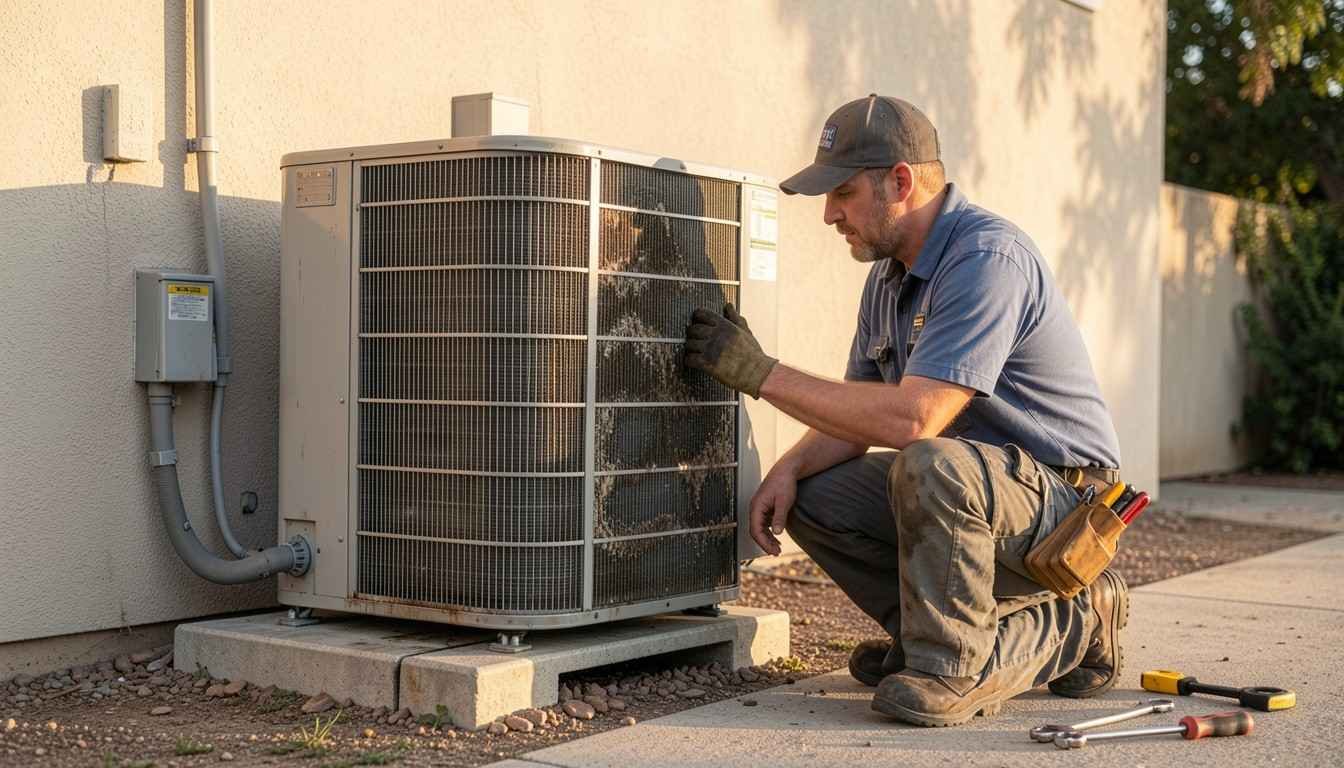
Because many homes here have rooftop or ground‑level units exposed to sun and wind, your condenser coil can also get coated with dust and debris. If you also have a split‑system with an indoor air handler, the evaporator coil and drain pan can collect dust and the occasional drip from plumbing or roof issues. These small events can combine into a slow‑moving coil and drain problem that shows up months later as poor cooling or water leaks.
At Air Conditioning Repair Lake Elsinore, we tailor our service to these local conditions. Our technicians check coil cleanliness, filter condition, and drain‑line flow on every maintenance visit. We also help homeowners choose right‑sized, high‑efficiency systems that handle Lake Elsinore’s heat without over‑straining. If you want to see how we fit different brands into your home, we offer Daikin, American Standard, Bryant, Goodman, Heil, Lennox, Mitsubishi, Rheem, Whirlpool, and Trane AC repair in Lake Elsinore.
Choosing the Right System for Your Climate
If you live in Lake Elsinore or similar inland areas, look for systems that can handle long, hot runtimes without wearing out quickly. Higher SEER ratings and variable‑speed or inverter‑style compressors help the system manage heat more efficiently and reduce strain on coils and the compressor. Better filtration and outdoor‑unit protection (such as mesh guards or coil covers) can also slow dust buildup.
If you own a home closer to the coast or in a higher‑humidity area, the priority shifts toward dehumidification and corrosion resistance. Systems with strong dehumidification modes, multi‑stage operation, and variable‑speed fans can keep the air more comfortable without overcooling. Salt‑resistant coil coatings and corrosion‑resistant materials help protect the condenser in salty air.
In both climates, it pays to consider rebates and incentives for high‑efficiency equipment. Our HVAC rebate checklist page can help you identify available programs that lower upfront costs and improve long‑term savings.
Supporting Customers: Warranties, Service Plans, and Long‑Term Value
Most modern AC repair companies now offer maintenance contracts that bundle coil cleaning, filter replacement, and drain‑line checks. These plans can reduce coil‑ and drain‑related repairs by roughly 20–40% over the life of the system, according to recent contractor surveys. In 2026, more homeowners are shifting from “run‑it‑till‑it‑breaks” to scheduled maintenance because it keeps bills more predictable and extends system life.
If your AC system is older or has already had several repairs, you may want to compare repairing versus replacing under current energy and rebate rules. We explain the trade‑offs between repairing a 10‑year‑old AC and upgrading to a high‑efficiency system in a separate post that can help you decide what makes the most sense for your budget.
We also offer financing options like zero‑down and low‑interest plans for homeowners who need a full replacement. These programs can spread out the cost while you still get modern, energy‑efficient equipment that handles both dry heat and the occasional humidity surge.
FAQs
Q1. Why does my AC coil get dirty faster in Lake Elsinore than in coastal cities?
Dry inland air carries more dust and pollen, especially around Lake Elsinore. When that dust hits your evaporator and condenser coils, it can build up quickly if filters and coil surfaces are not cleaned regularly. Coastal areas deal more with moisture and salt than with dry dust.
Q2. Can high humidity actually freeze my AC coil?
Yes. In very humid conditions, if the coil is dirty or airflow is low, the excess moisture on the coil can freeze into ice. A frozen coil blocks airflow and stops cooling until the ice melts and the underlying issue is fixed.
Q3. How often should I get my AC coils and drain line cleaned in Lake Elsinore?
Most local HVAC pros recommend two professional coil and drain inspections per year—once in spring and once in fall—plus quarterly filter changes in dusty seasons. This schedule helps prevent most coil‑ and drain‑related problems.
Q4. Do I need different AC equipment if I live closer to the coast vs inland?
Yes. Coastal homes often benefit from salt‑resistant coatings, corrosion‑resistant materials, and equipment with strong dehumidification. Inland homes like those in Lake Elsinore focus more on high‑SEER systems, dust protection, and efficient cooling for long runtimes.
Q5. What are the early warning signs of a coil or drain problem?
Common signs include water dripping near the indoor unit, musty smells, reduced cooling, short cycling, or the AC running longer than usual. These can all point to a dirty coil or a clogged condensate drain that needs attention.
Q6. How much can regular maintenance save me on coil and drain repairs?
Well‑maintained systems can see roughly 20–40% fewer coil‑related repairs and 30%+ fewer drain‑line emergencies over the system’s lifetime. That adds up to real savings on both repairs and energy bills.
Q7. Are there “coastal‑style” solutions that work in dry‑heat Lake Elsinore homes?
Yes. UV‑coil lights, antimicrobial coatings, inline drain‑line cleaners, and better filtration can help keep coils and drains clean in any home. These tools are especially useful in Lake Elsinore when higher humidity or occasional leaks create conditions similar to coastal homes.