

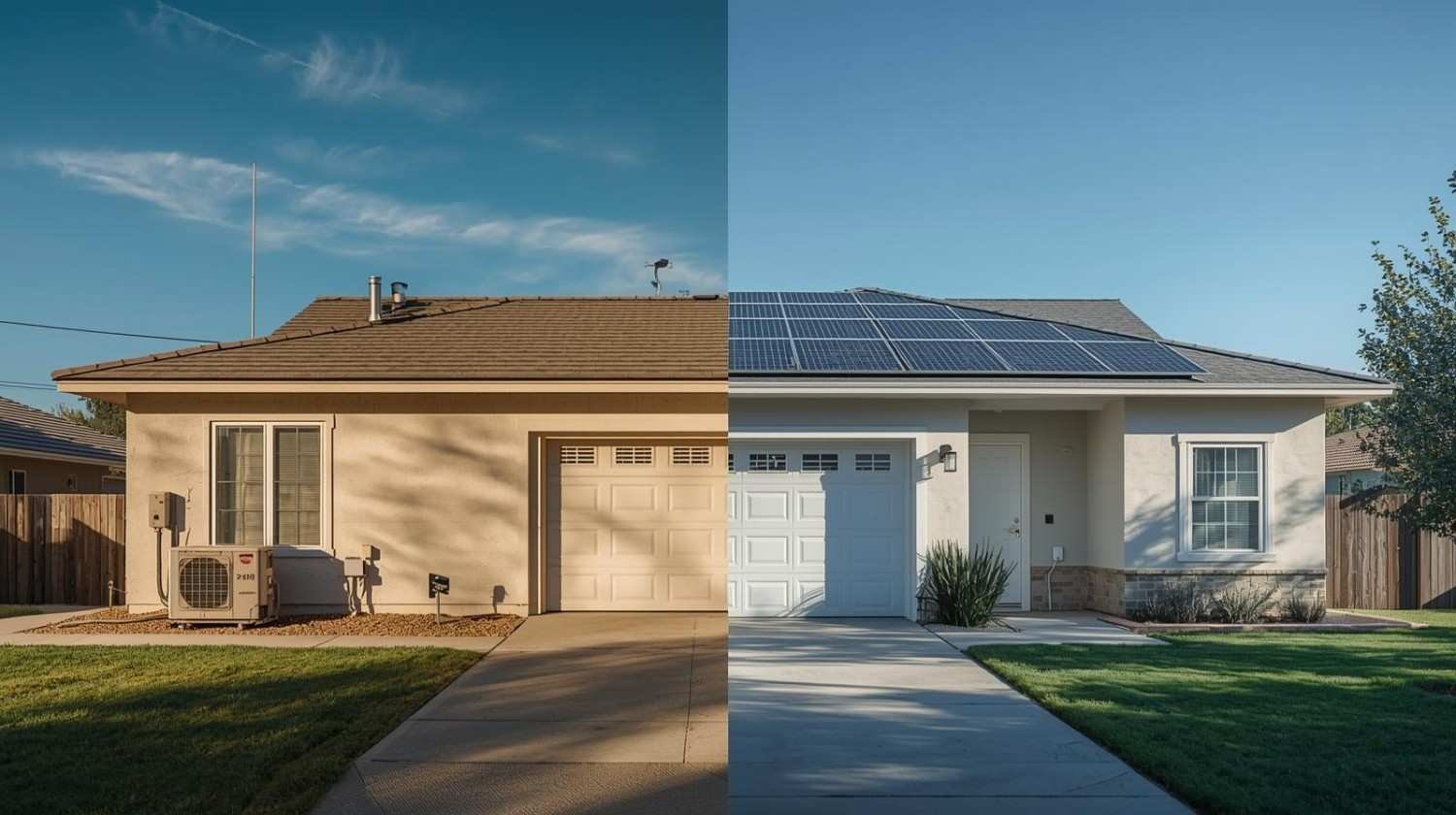
If you live in Lake Elsinore, you rely on your air conditioning system for most of the year. Summer heat pushes AC systems hard, and even mild seasons require steady cooling. However, the problems you face depend a lot on the age of your home. Older homes and new construction homes experience AC issues for very different reasons. Understanding these differences helps you avoid surprise repairs, control costs, and keep your home comfortable.
In this guide from Air Conditioning Repair Lake Elsinore, you will learn how AC problems differ between older homes and newer builds. You will also see how climate, system design, and installation quality affect performance. By the end, you will know what signs to watch for and when to repair or replace your system.
What Defines an Older Home vs New Construction
Age Ranges and Typical Build Characteristics
An older home usually means a property built before 2000, and many in Lake Elsinore date back to the 1970s through the 1990s. These homes often have smaller return vents, thinner insulation, and ductwork that was not designed for modern cooling demands.
New construction homes usually refer to properties built within the last 10 to 15 years. Builders focus on energy codes, tighter building envelopes, and higher insulation standards. These homes often include smart thermostats and advanced AC systems from the start.
HVAC System Evolution Over Time
AC technology has changed fast. Older homes often use single-stage systems with basic controls. Many still rely on systems designed for refrigerants that are no longer produced.
New homes use high-efficiency systems with variable speed blowers, electronic sensors, and advanced refrigerants. These systems cool better but also rely more on proper installation and maintenance.
Common AC Problems in Older Homes
Poor Insulation and Duct Leakage
One of the most common AC problems in older homes is air loss. Over time, duct joints loosen and seals dry out. As a result, cooled air escapes into attics or crawl spaces before it reaches your rooms.
You may notice rooms that never cool evenly or AC systems that run longer than expected. These issues raise energy bills and place extra strain on your system.
Outdated Refrigerants and R-22 Considerations
Many older AC systems still use R-22 refrigerant. Production of R-22 ended years ago, and supply continues to shrink. If your system develops a refrigerant leak, repairs become expensive fast.
In many cases, homeowners face repair bills that no longer make financial sense. This issue often leads to replacement decisions rather than ongoing repairs. You can learn more about this topic in our guide on what new refrigerant rules mean if your AC has a leak.
Aging Components and Wear
Compressors, fan motors, capacitors, and contactors wear down over time. In older systems, these parts often fail more often and cost more to replace due to limited availability.
Repeated breakdowns usually signal that your system has reached the end of its service life. At this point, repairs provide only short-term relief.
Ductwork Issues
Older homes often have undersized ductwork. This design limits airflow and causes hot and cold spots throughout the house. Dust buildup inside old ducts also affects air quality and system efficiency.
Professional duct inspection can reveal leaks and airflow problems that basic tune-ups cannot fix.
Thermostat and Control Problems
Older thermostats lack precision. Many struggle to read indoor temperature accurately, which causes short cycling or constant runtime. These issues increase wear and reduce comfort.
Common AC Problems in New Construction
Improper System Sizing at Installation
New does not always mean problem-free. In many new construction homes, builders install AC systems based on square footage alone. This approach often leads to oversized or undersized systems.
Oversized systems cool too fast and shut off early. This pattern creates humidity problems and uneven comfort. Undersized systems struggle during heat waves and run non-stop.
Installation Quality and Startup Problems
Modern AC systems require correct setup. Poor refrigerant charging, incorrect airflow settings, and skipped testing cause early failures. These problems often appear within the first few years of ownership.
You may notice noise issues, weak airflow, or higher energy use than expected.
Smart HVAC Integration Issues
Many new homes use smart thermostats and zoning systems. While helpful, these systems depend on proper programming. Incorrect settings or sensor placement can cause rooms to cool unevenly or systems to cycle too often.
Advanced System Failures
High-efficiency systems use electronic boards, sensors, and variable speed motors. These parts improve comfort but cost more to repair when they fail. Electrical surges and poor maintenance often trigger these problems.
Ductwork Design Flaws
New construction homes sometimes use compact duct designs to save space. If installed poorly, these designs restrict airflow and reduce system performance.
How Lake Elsinore Climate Affects Both
Hot Summers and High Runtime
Lake Elsinore summers push AC systems hard. Long run times increase wear on compressors and motors, regardless of system age. Older systems feel this stress faster, but new systems also suffer if not maintained.
Dust, Pollen, and Outdoor Air Quality
The area experiences dust and seasonal pollen. These particles clog filters and coils faster. Without regular maintenance, airflow drops and indoor air quality suffers. This issue affects both older and newer homes.
Cost Differences and Repair Trends (2026 Data)
Average Repair Costs for Older Homes
Older systems often cost more to repair due to part availability and refrigerant pricing. Minor repairs may range from a few hundred dollars, while major failures can exceed four figures.
Repeated repairs often signal that replacement offers better value long term. You can review financing options in our article on zero-down and low-interest options for replacing an old AC system.
Average Repair Costs for New Construction Systems
Repairs for newer systems often involve electronics and sensors. While breakdowns happen less often, costs per repair tend to be higher due to specialized parts.
Warranty coverage helps during early years, but poor installation may void some protections.
Replacement Vs Repair Decisions
As a general rule, if repair costs approach half the price of a new system, replacement becomes the smarter option. Energy savings and rebate programs also influence this decision.
Maintenance Strategies That Help Both
Annual Tune-Ups and Why They Matter
Annual maintenance helps prevent breakdowns in both older and newer homes. Technicians check refrigerant levels, airflow, electrical components, and safety controls.
Regular service extends system life and reduces emergency calls.
Filter and Coil Care
Clean filters protect your system and improve air quality. Dirty coils reduce cooling ability and increase energy use. Regular cleaning keeps performance steady.
If air quality matters to you, read our guide on how AC maintenance improves indoor air quality for allergy and asthma sufferers.
Duct Inspection and Sealing
Duct sealing improves comfort and lowers energy bills. This step benefits older homes most but also helps new homes with design flaws.
When to Consider Upgrading
Signs An Older System Needs Replacement
Frequent breakdowns, rising bills, and uneven cooling all point to replacement. Older systems also struggle to meet current efficiency standards.
Features New Homes Offer
Modern systems provide better humidity control, quieter operation, and lower energy use. Smart thermostats and zoning options improve comfort room by room.
Incentives and Financing Options
Many homeowners qualify for rebates and tax credits. Local programs and manufacturer incentives reduce upfront costs. You can also review our HVAC rebate checklist for homeowners and small businesses for guidance.
Why Professional Diagnostics Matter
Tools and Tests Pros Use
Professional technicians use airflow testing, pressure checks, and electronic diagnostics to find root causes. These tools catch problems that basic inspections miss.
Avoiding Misdiagnosis and Unnecessary Repairs
Accurate diagnosis saves money. Guesswork leads to repeated service calls and wasted repairs. Working with experienced technicians protects your investment.
If you need expert help, visit Air Conditioning Repair Lake Elsinore to schedule a system evaluation or reach out through our contact page.
Conclusion
AC problems differ greatly between older homes and new construction. Older homes face wear, duct issues, and outdated refrigerants. New homes deal more with installation quality and advanced system components.
Understanding these differences helps you plan maintenance, control costs, and avoid surprise breakdowns. Regular service and professional diagnostics keep both types of systems running well in Lake Elsinore’s climate.
FAQs — AC Problems in Older Homes vs New Construction
Older duct materials degrade over time and were often undersized by today’s standards.
New homes face fewer age-related issues but often suffer from installation or setup errors.
Yes, electronic parts and sensors increase repair costs.
Maintenance helps but cannot overcome age and outdated design.
At least once per year, ideally before summer.
Incorrect setup can lead to comfort and cycling problems.
Labor rates, refrigerant rules, and part availability influence pricing.