

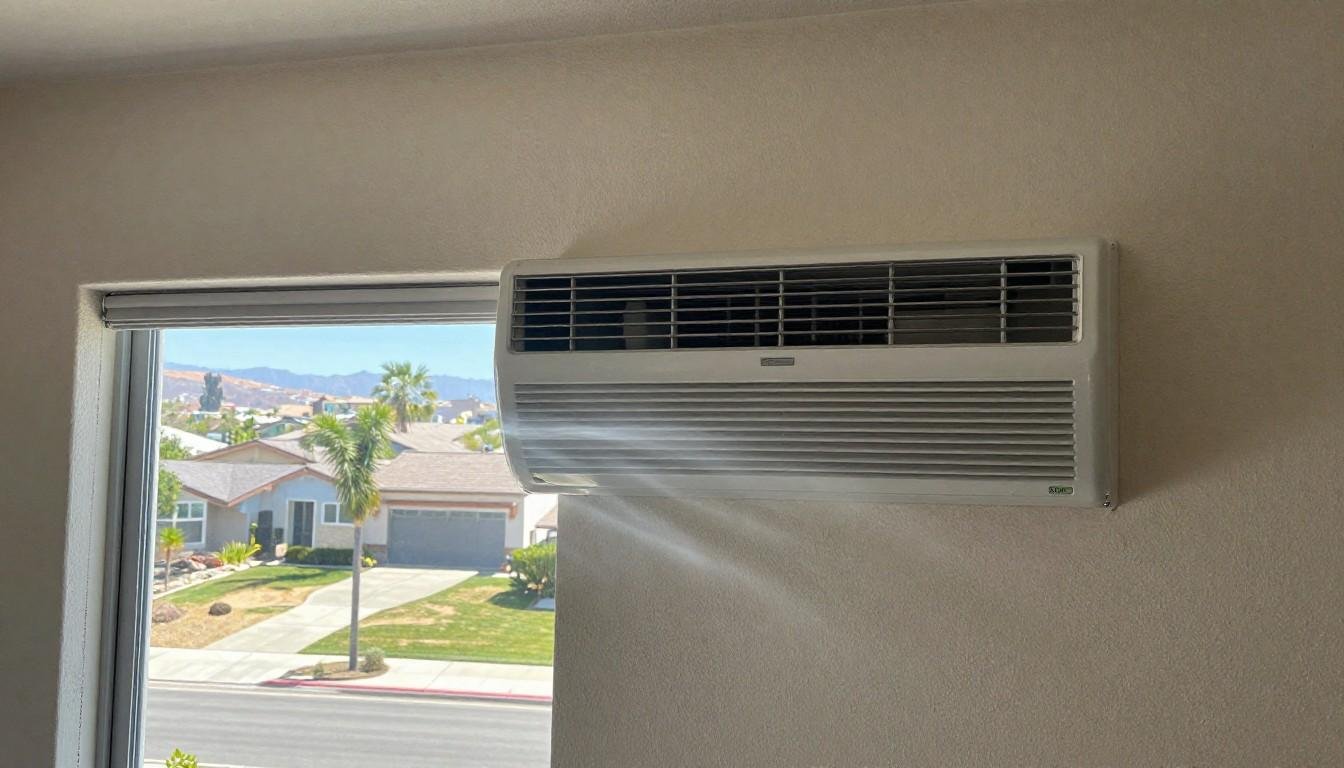
If you or someone in your home deals with allergies or asthma, indoor air quality affects your daily comfort more than you may realize. In Lake Elsinore, dry summers, seasonal pollen, wildfire smoke, and dust all place extra pressure on your air conditioning system. When your AC system runs without proper maintenance, it can circulate allergens instead of removing them.
Regular AC maintenance plays a direct role in reducing airborne irritants inside your home or business. It helps your system filter air correctly, control humidity, and prevent the buildup of mold and dust. This guide explains how AC maintenance improves indoor air quality, what steps matter most, and how allergy and asthma sufferers in Lake Elsinore can benefit from routine service.
What Is Indoor Air Quality (IAQ)?
Definition and Key Factors
Indoor air quality refers to the condition of the air inside your home or workplace. It depends on several factors, including airborne particles, humidity levels, ventilation, and the presence of pollutants.
Common indoor air contaminants include pollen, dust mites, pet dander, mold spores, and chemical residues from cleaning products. In homes with poor airflow or dirty HVAC systems, these particles stay suspended in the air longer.
Your air conditioning system acts as the main air circulation and filtration system in most Lake Elsinore homes. If it does not function correctly, indoor air quality suffers.
Health Impacts of Poor IAQ
Poor indoor air quality can trigger allergy symptoms such as sneezing, itchy eyes, coughing, and congestion. For asthma sufferers, exposure to irritants can lead to wheezing, chest tightness, and breathing difficulty.
Long term exposure to poor air quality can increase the frequency of asthma attacks and worsen respiratory conditions. Children, older adults, and people with existing health issues face higher risks.
How AC Systems Affect Indoor Air Quality
Air Filters and Particulate Removal
Your AC system uses air filters to trap dust, pollen, and other particles before air circulates through your home. When filters clog, they lose the ability to capture allergens.
Higher quality filters with appropriate MERV ratings can remove finer particles that affect allergy and asthma symptoms. However, even the best filter fails if you do not replace it on schedule.
Ductwork and Airflow
Ductwork distributes cooled air throughout your home. Over time, ducts can collect dust, debris, and allergens. Leaks or gaps in ducts allow contaminants from attics or crawl spaces to enter the system.
Clean and sealed ductwork improves airflow and reduces the spread of airborne irritants. Proper airflow also helps your AC system maintain stable humidity levels.
Moisture Control and Humidity
Humidity plays a major role in indoor air quality. High humidity encourages mold growth and dust mites, which are common asthma triggers.
A well maintained AC system removes excess moisture from the air. Dirty coils or blocked drains reduce this ability and allow moisture problems to develop.
What Regular AC Maintenance Includes
Filter Inspection and Replacement
During routine AC maintenance, technicians inspect and replace air filters as needed. Allergy and asthma sufferers often benefit from more frequent filter changes.
In Lake Elsinore, seasonal dust and pollen can clog filters faster than expected. A clean filter allows air to pass through while trapping harmful particles.
Coil Cleaning
Evaporator and condenser coils collect dirt over time. When coils remain dirty, they reduce airflow and create damp conditions that promote mold growth.
Professional coil cleaning improves cooling performance and reduces microbial buildup that affects indoor air quality.
Duct Cleaning and Sealing
Duct inspection identifies dust buildup, leaks, or contamination. Sealing leaks prevents unfiltered air from entering the system.
In homes with ongoing allergy issues, duct cleaning may remove accumulated allergens that continue to circulate through the AC system.
System Tune-Ups
Tune ups ensure your AC system runs at proper airflow levels and refrigerant pressures. Balanced airflow improves filtration and humidity control.
A professional tune up also identifies early problems that could affect air quality, such as drainage issues or blower motor inefficiency.
Evidence and Trends for AC Maintenance and IAQ
Research on Maintenance and Respiratory Health
Studies show that proper HVAC maintenance reduces indoor particulate levels and improves respiratory comfort. Homes with clean filters and maintained systems report fewer allergy flare ups and asthma symptoms.
Healthcare organizations consistently recommend clean air systems as part of asthma management plans.
New Technologies That Help IAQ
By 2026, many AC systems include options such as UV lights, advanced filtration systems, and smart air quality sensors. These additions help control bacteria, mold, and fine particles.
While technology helps, it still depends on regular maintenance to remain effective.
Practical Benefits for Allergy and Asthma Sufferers
Reduced Allergens in the Air
Routine AC maintenance lowers the concentration of pollen, pet dander, and dust in your indoor air. Cleaner air reduces irritation and supports easier breathing.
This benefit becomes especially important during high pollen seasons and wildfire smoke events in Southern California.
Better Humidity Control
A properly maintained AC system manages humidity levels effectively. Lower humidity discourages mold growth and dust mite activity.
Balanced humidity also improves sleep quality and overall comfort.
More Consistent Breathing Comfort
When your AC system runs efficiently, it maintains stable temperatures and airflow. Consistency reduces sudden air quality changes that can trigger asthma symptoms.
Cost vs Value: Maintenance and Health Savings
Typical Maintenance Costs
In 2026, routine AC maintenance in Lake Elsinore typically costs far less than emergency repairs or system replacement. Annual service plans offer predictable pricing and ongoing care.
Maintenance also improves system efficiency, which lowers monthly energy bills.
Health-Related Savings
Cleaner air reduces doctor visits, medication use, and missed work or school days. Over time, these savings add up and outweigh the cost of regular AC service.
DIY Tips vs Professional Maintenance
Simple Tasks You Can Do
You can replace air filters regularly and keep vents clear of dust and obstructions. You can also monitor humidity levels and report unusual odors or airflow changes.
These steps support indoor air quality between professional visits.
Why Professional Service Matters
Professional technicians clean coils, inspect ducts, and check system components that homeowners cannot access safely. They also ensure refrigerant levels and drainage systems work correctly.
If your system needs repairs, scheduling service with a trusted local provider such as Air Conditioning Repair Lake Elsinore helps protect both your equipment and your health.
When to Consider Upgrading Your System
Signs Your AC No Longer Supports Good IAQ
Persistent dust, uneven airflow, frequent allergy symptoms, and musty odors may signal that your system no longer supports healthy air.
Older systems often lack modern filtration and humidity control features.
Upgrading for Better IAQ Features
Newer systems support higher efficiency filters, advanced air cleaners, and improved airflow design. Some brands also integrate IAQ monitoring tools.
If repairs become frequent, reviewing upgrade options may make financial sense.
Financing and Incentives
Many homeowners explore financing options when upgrading. You can learn more through resources like zero-down and low-interest options for replacing an old AC system and local rebate programs.
Conclusion
AC maintenance plays a direct role in improving indoor air quality for allergy and asthma sufferers. Clean filters, proper airflow, humidity control, and routine inspections all work together to reduce airborne irritants.
In Lake Elsinore, environmental conditions make regular AC service even more important. By scheduling maintenance with a local professional, you support better breathing, improved comfort, and long term system performance.
If you want help improving indoor air quality, you can reach out through the contact page to schedule an inspection or maintenance visit.
FAQs — Homeowner Questions Answered
Most homes benefit from maintenance once per year. Allergy and asthma sufferers may need more frequent filter changes.
Yes. Dirty filters and coils allow allergens to circulate throughout your home.
Filters with higher MERV ratings capture smaller particles that trigger asthma symptoms.
Yes. Proper humidity control and clean components reduce mold risk.
UV lights can help control bacteria and mold when combined with regular maintenance.
Dry weather, dust, pollen, and smoke increase the need for clean and efficient AC systems.
Yes. Efficient systems use less energy and support healthier indoor air, which reduces medical expenses.