

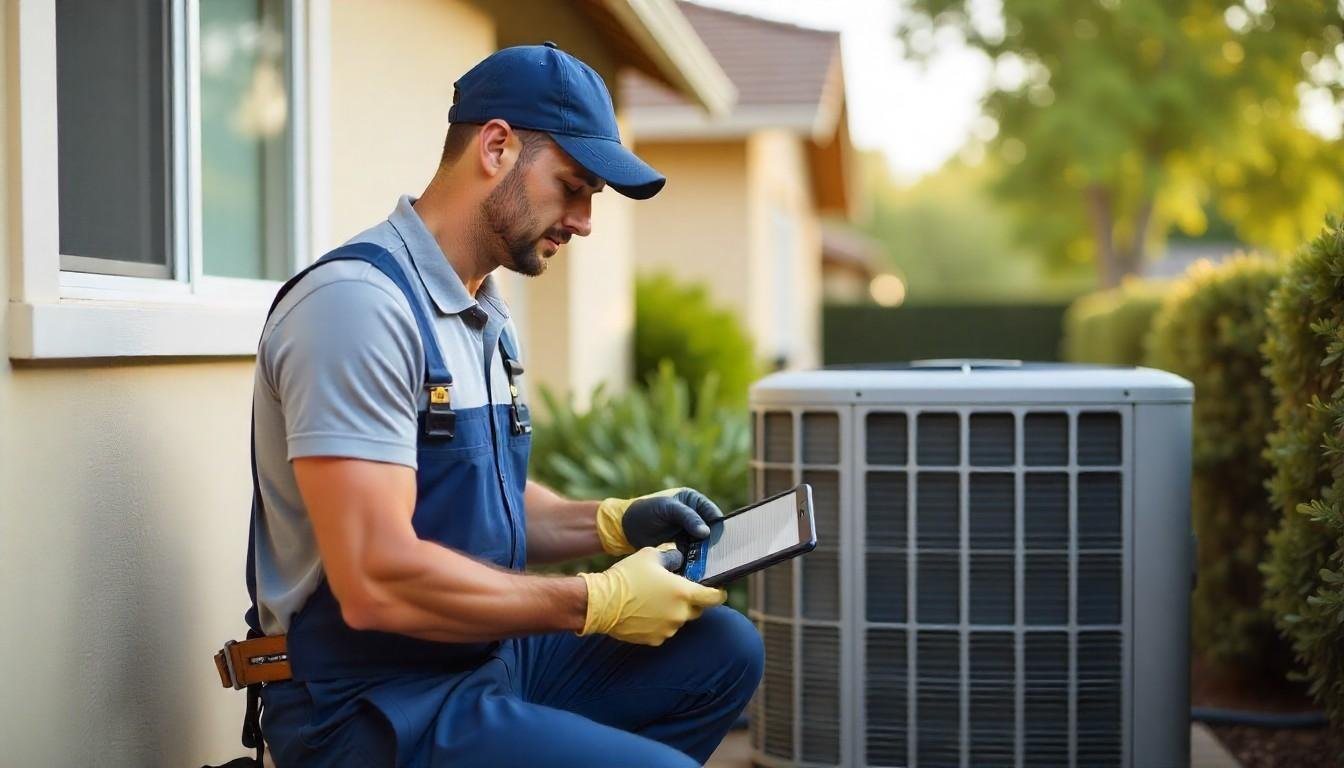
If you rent or manage property in Lake Elsinore, AC problems can create stress fast. Summers get hot, indoor comfort matters, and misunderstandings about who pays for repairs often lead to disputes. Many renters assume the landlord handles everything. Many landlords expect tenants to cover small issues. The truth sits in the middle.
This guide explains landlord AC repair responsibilities versus tenant responsibilities in clear terms. You will learn how California law applies, what leases usually cover, how costs break down in 2026, and when to call a professional AC repair company in Lake Elsinore. Whether you are a landlord, tenant, or property manager, this breakdown helps you avoid conflict and keep cooling systems working.
Basics of Rental Agreements and HVAC
How Rental Agreements Define AC Responsibilities
Your lease agreement sets the foundation. Most leases outline who handles maintenance, repairs, and replacement of systems like air conditioning. Some leases state that the landlord maintains all major systems. Others assign basic upkeep tasks to tenants.
You should always read the HVAC section of your lease carefully. If the lease stays silent, California habitability laws usually guide responsibility. Clear lease language prevents disputes later, especially during heat waves.
Why AC Systems Are Different from Other Appliances
Air conditioning differs from items like microwaves or dishwashers. AC systems connect to the structure of the building. They use electrical, refrigerant, and airflow components that require licensed technicians.
Because of this, AC repairs usually fall under landlord responsibility unless damage comes from tenant misuse. This distinction matters when costs rise or repairs require system shutdown.
California Law on AC Repairs in Rentals
Warranty of Habitability Standard
California law requires landlords to provide habitable living conditions. This includes safe electrical systems, plumbing, and heating. Cooling does not always appear as a strict legal requirement, but in hot climates like Lake Elsinore, courts often view AC as part of basic livability if the unit already exists.
If a rental includes air conditioning, the landlord must keep it in working condition. A broken AC during extreme heat can qualify as a habitability issue.
State Regulations vs Local Ordinances
California sets the baseline, while local practices shape enforcement. In Riverside County and Lake Elsinore, landlords typically address AC failures quickly due to summer temperatures. While the law may not require installing AC, it does require maintaining what is provided.
Tenants should document all communication. Landlords should respond within reasonable timeframes, especially during hot weather.
Typical Landlord Responsibilities
Ensuring a Working AC at Move-In
Landlords must deliver the property with a working AC system if the lease includes cooling. That means the system should cool properly, cycle normally, and show no safety hazards.
If the AC fails shortly after move-in due to age or wear, responsibility stays with the landlord.
Routine Maintenance
Landlords usually handle professional maintenance tasks like coil cleaning, refrigerant checks, and electrical inspections. These services protect the system and extend lifespan.
Many landlords schedule annual tune-ups with companies like Air Conditioning Repair Lake Elsinore to reduce emergency calls during summer.
Major Repairs and System Failures
Repairs involving compressors, refrigerant leaks, blower motors, or control boards fall under landlord responsibility. These issues require licensed technicians and proper tools.
With new refrigerant regulations, repairs may cost more. You can learn how rules affect leaks in this guide on what new refrigerant rules mean if your AC has a leak.
Replacement Responsibilities
When an AC system reaches the end of its life, landlords handle replacement. Tenants do not pay for system upgrades due to age or efficiency loss.
Landlords often weigh repair versus replacement decisions. This topic is covered in detail in repairing a 10-year-old AC vs upgrading to high-efficiency in hot climates.
Typical Tenant Responsibilities
Daily Upkeep and Common Tasks
Tenants handle basic care. This often includes replacing disposable air filters if the lease states it. Tenants should also keep vents clear and avoid blocking airflow with furniture.
Good habits reduce strain on the system and prevent avoidable service calls.
Reporting Problems Promptly
Tenants must report AC issues as soon as they notice them. Delayed reporting can turn small problems into major repairs.
Written communication works best. Email or maintenance portals create a record that protects both parties.
Damage from Tenant Misuse
If damage results from misuse, tenants may bear responsibility. Examples include running the AC with windows open for long periods, tampering with controls, or failing to replace filters when required.
In these cases, landlords may charge for repairs tied directly to misuse.
Repair Scenarios and Who Pays
Normal Wear and Tear vs Misuse
Normal wear includes aging parts, refrigerant loss from age, and component failure over time. Landlords cover these issues.
Misuse includes physical damage, unauthorized modifications, or neglect that causes failure. Tenants may pay for those repairs.
Emergency AC Failures
During heat waves, AC failures become urgent. Landlords should act quickly, especially if indoor temperatures rise to unsafe levels.
Tenants should report emergencies immediately and follow lease instructions for after-hours service.
Shared Costs and Negotiation Examples
Some long-term leases include shared responsibility. For example, tenants may agree to pay for filter replacements while landlords cover labor and parts.
In rare cases, landlords offer rent credits if tenants manage minor maintenance. Clear documentation supports these agreements.
Cost Expectations and Trends
Typical AC Repair Costs in 2026
In Lake Elsinore, common AC repairs in 2026 include electrical fixes, capacitor replacement, and airflow adjustments. Costs vary based on parts and refrigerant type.
Landlords often budget annually for AC service to avoid surprises.
Replacement vs Repair Financial Considerations
Older systems cost more to repair due to refrigerant phase-downs and part availability. Many landlords explore financing options when replacing systems. You can review options in zero down and low interest options for replacing an old AC system.
Lease Incentives and Rent Credits
Some landlords offset upgrades by adjusting rent at renewal. Others offer temporary credits during extended repairs. These approaches help maintain good tenant relationships.
Lease Clauses and Documentation to Protect Both Parties
Clear Language for HVAC Responsibilities
Strong lease language specifies who changes filters, who schedules service, and how repairs get reported. This clarity reduces disputes.
Work Orders and Repair Requests
Written work orders protect both sides. Tenants show they reported issues. Landlords show they responded.
Warranty Documentation and Contractor Info
Landlords should keep warranty records and contractor contact details. This speeds up repairs and avoids unnecessary costs. Professional companies like Air Conditioning Repair Lake Elsinore often track service history for rental properties.
When to Call a Professional AC Technician
Signs You Need a Certified AC Repair
Weak airflow, warm air, odd noises, or rising energy bills signal problems. Refrigerant issues and electrical faults require licensed technicians.
Why DIY Is Risky for AC Repairs
DIY repairs can void warranties and violate safety codes. Refrigerant handling requires certification under federal law. Improper repairs often cost more later.
Choosing a Reliable AC Repair Company in Lake Elsinore
Choose licensed, insured professionals with local experience. Brand expertise also matters. If your rental uses specific systems, brand service pages like Lennox AC repair in Lake Elsinore or Goodman AC repair in Lake Elsinore help ensure proper care.
Tenants should report issues first. Landlords should schedule service through approved vendors. If you need help quickly, use the contact page to request service.
Conclusion
AC repair responsibility in rental properties depends on lease terms, California habitability standards, and the cause of the problem. Landlords handle system condition, major repairs, and replacement. Tenants handle basic care, prompt reporting, and avoid misuse.
Clear communication and professional service protect comfort and property value. When both parties understand their roles, AC problems become easier to resolve.
FAQs — Landlord & Tenant AC Responsibility Questions
Landlords usually handle repairs unless damage results from tenant misuse or neglect.
California allows repair and deduct in limited cases, but strict rules apply. Tenants should seek guidance first.
Aging parts, refrigerant loss from age, and standard component failure count as wear and tear.
The law does not require installing AC, but landlords must maintain existing systems.
Tenants may pay if misuse caused the damage and documentation supports it.
Landlords should act within a reasonable timeframe, often faster during extreme heat.
Tenants can request upgrades, but landlords are not required to replace working systems unless they fail.