

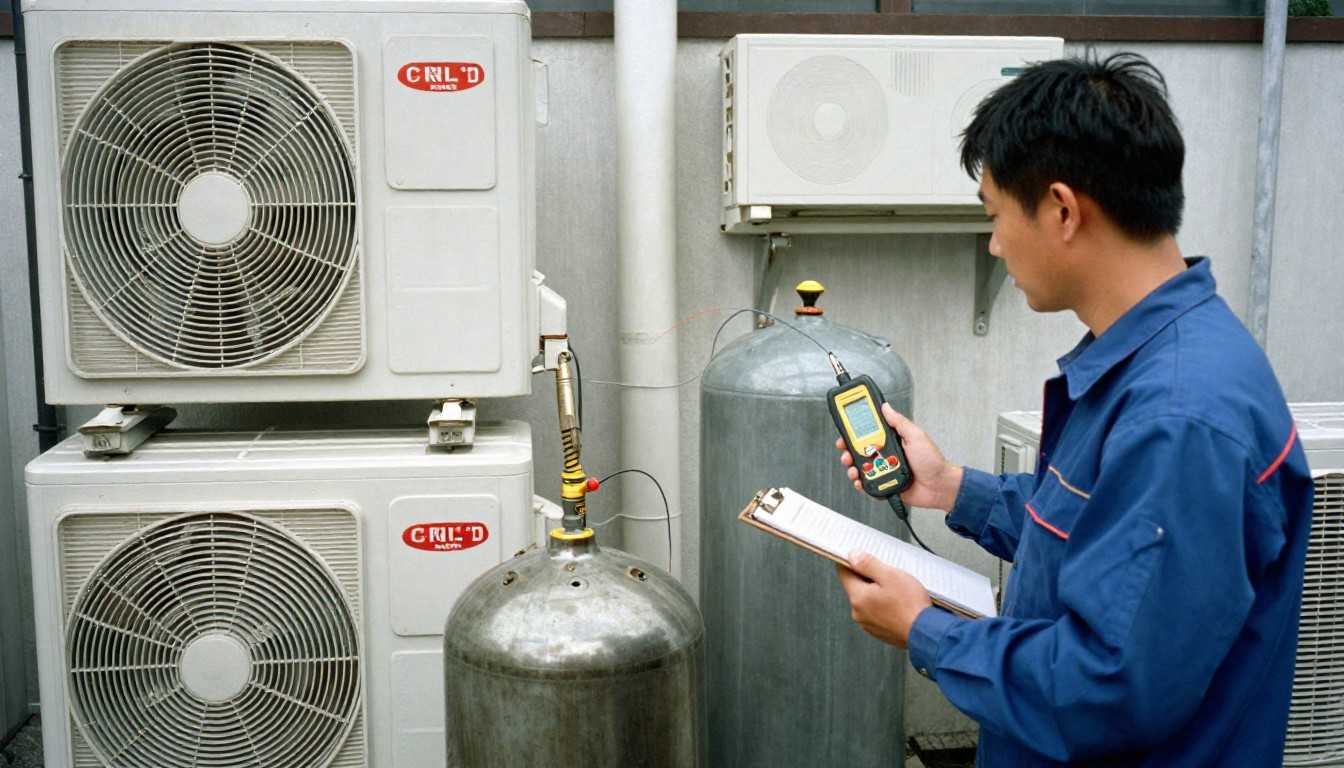
If you own a home in Lake Elsinore, your air conditioner is a key part of staying comfortable during the hot months. Over the last decade, refrigerant rules have changed dramatically. These changes affect how technicians service AC systems, which refrigerants they can use, and how future repairs may impact your budget. Understanding refrigerant phase‑downs now can save you time, money, and stress later.
This guide explains what refrigerant phase‑downs mean for homeowners. You will learn how refrigerants work, why phase‑downs are happening, and how to prepare for future AC repairs. With guidance from Air Conditioning Repair Lake Elsinore, you can make informed decisions about servicing or replacing your system.
What Refrigerant Does in an AC System
Refrigerant and Cooling Basics
Refrigerant moves heat from inside your home to the outside. It cycles through the coils in your air conditioner, absorbing heat from indoor air and releasing it outdoors. Without the right refrigerant type and level, your AC cannot cool effectively. Leaks, low charge, or using the wrong refrigerant reduces comfort and increases energy costs.
Common Refrigerants in Older AC Systems
Older AC systems often use R‑22, which is no longer produced. Systems installed in the last 10–15 years generally use R‑410A. Each refrigerant has different pressure requirements and efficiency characteristics. Understanding your system’s refrigerant type helps you plan for maintenance, repairs, or future replacement.
Why Refrigerant Phase‑Downs Are Happening
Environmental Goals
High‑GWP (global warming potential) refrigerants trap heat in the atmosphere, contributing to climate change. Reducing their use lowers greenhouse gas emissions. Federal and California rules now require HVAC systems to use refrigerants with lower environmental impact whenever possible.
Policy Drivers
The federal AIM Act mandates a phasedown of high‑GWP hydrofluorocarbons. California enforces additional rules supporting these reductions. The combined effect of federal and state regulations is a shift toward newer, environmentally friendly refrigerants that meet modern efficiency standards.
Timeline of Refrigerant Phase‑Downs
Historical Refrigerant Rules
R‑22 production ended years ago, forcing a shift to R‑410A for new systems. Older systems still in use rely on reclaimed refrigerant, which is becoming more expensive.
New 2025–2026 Phase‑Down Milestones
As of 2025, production and import limits for R‑410A and other high‑GWP refrigerants tighten. By 2026, these limits affect not only new installations but also how older systems can be serviced. Technicians must follow stricter leak repair and handling protocols.
Future Projected Steps
Regulators expect further phasedown of remaining high-GWP refrigerants over the next decade. This may affect pricing, availability, and options for homeowners in Lake Elsinore who need repairs on older systems.
What Phase‑Downs Mean for Home AC Repairs
Air Conditioner Service on Older Systems
Existing AC units can still be serviced, but the cost of refrigerant is increasing as supply declines. Technicians may need to use reclaimed refrigerant or low-GWP substitutes when topping off or repairing leaks.
Leak Repairs and Compliance
Repairing a leak is more than just adding refrigerant. Technicians must locate and fix leaks, recover refrigerant properly, and document the service. Skipping these steps can lead to regulatory issues and reduce system performance.
Safety and Equipment Handling
Only EPA-certified technicians can handle refrigerants. Proper certification ensures the technician uses approved recovery equipment and follows safety guidelines. For Lake Elsinore homeowners, working with a certified local contractor is essential.
New Refrigerant Options and Efficiency
Approved Low‑GWP Alternatives
R‑32, R‑454B, and similar refrigerants are now approved for new systems. These options provide similar cooling performance with significantly lower environmental impact compared to R‑410A.
Impact on Cooling Performance
New refrigerants operate at slightly different pressures, so old systems cannot always be retrofitted. When replacing a system, low-GWP refrigerants offer efficient cooling and potential energy savings.
Costs and Financial Impacts
Refrigerant Price Trends
As production of high-GWP refrigerants declines, prices rise. For homeowners, this means that topping off older systems or repairing leaks can become increasingly expensive over time.
Repair vs Replacement Cost Comparisons
If your AC is over ten years old or has multiple leaks, replacement may be more cost-effective than repair. New systems with low-GWP refrigerants can improve efficiency and reduce energy bills. For guidance, consider reviewing repairing a 10-year-old AC vs upgrading to high-efficiency to evaluate your options.
How to Prepare for Future Refrigerant Rules
Proactive Maintenance
Regular AC maintenance can identify small leaks before they escalate. This reduces the risk of high repair costs and keeps your system running efficiently.
Choosing Equipment with Future‑Ready Refrigerants
When replacing your AC, select systems designed for low-GWP refrigerants. This ensures long-term compliance and better efficiency.
Working with Certified Technicians
Only certified technicians can legally handle and recover refrigerants. For specific brands, explore options like Daikin air conditioning repair in Lake Elsinore or Trane air conditioning repair in Lake Elsinore for professional guidance and proper service.
Case Studies and Examples
Scenario 1: Older R‑22 System with a Leak
An older R‑22 system develops a leak. Reclaimed refrigerant is expensive, and supply is limited. Repair costs rise quickly, prompting the homeowner to consider replacement with a modern low-GWP system.
Scenario 2: R‑410A System Near End of Life
A 12-year-old R‑410A system experiences multiple leaks. Repair costs are comparable to replacement. Installing a new high-efficiency system using R‑32 or R‑454B provides long-term savings and ensures compliance with future rules.
Conclusion
Refrigerant phase‑downs in 2026 affect how your AC can be repaired and maintained. Older systems may face higher costs and stricter handling requirements. Understanding these rules allows you to plan maintenance, make informed repair decisions, and consider future replacement if necessary.
For Lake Elsinore homeowners, working with a certified local contractor like Air Conditioning Repair Lake Elsinore ensures your system meets current regulations and operates efficiently. Contact us today through our contact page to schedule a consultation or learn more about compliant repairs and replacements.
FAQs — Homeowner Questions Answered
It means that older high-GWP refrigerants like R-410A and R-22 will become more restricted, affecting repair costs and availability.
Yes, but service may require reclaimed refrigerant or approved low-GWP alternatives, which can raise costs.
Not immediately, but repeated leaks or older systems may justify replacement for efficiency and compliance.
Yes, low-GWP refrigerants like R-32 and R-454B are safe, efficient, and approved for new systems.
Reduced supply of older refrigerants increases pricing for topping off or repairing leaks.
Yes, certification ensures safe handling, legal compliance, and proper system recovery.
It depends on your system’s age, leaks, and efficiency. Planning ahead with a certified contractor helps you make the best decision.