

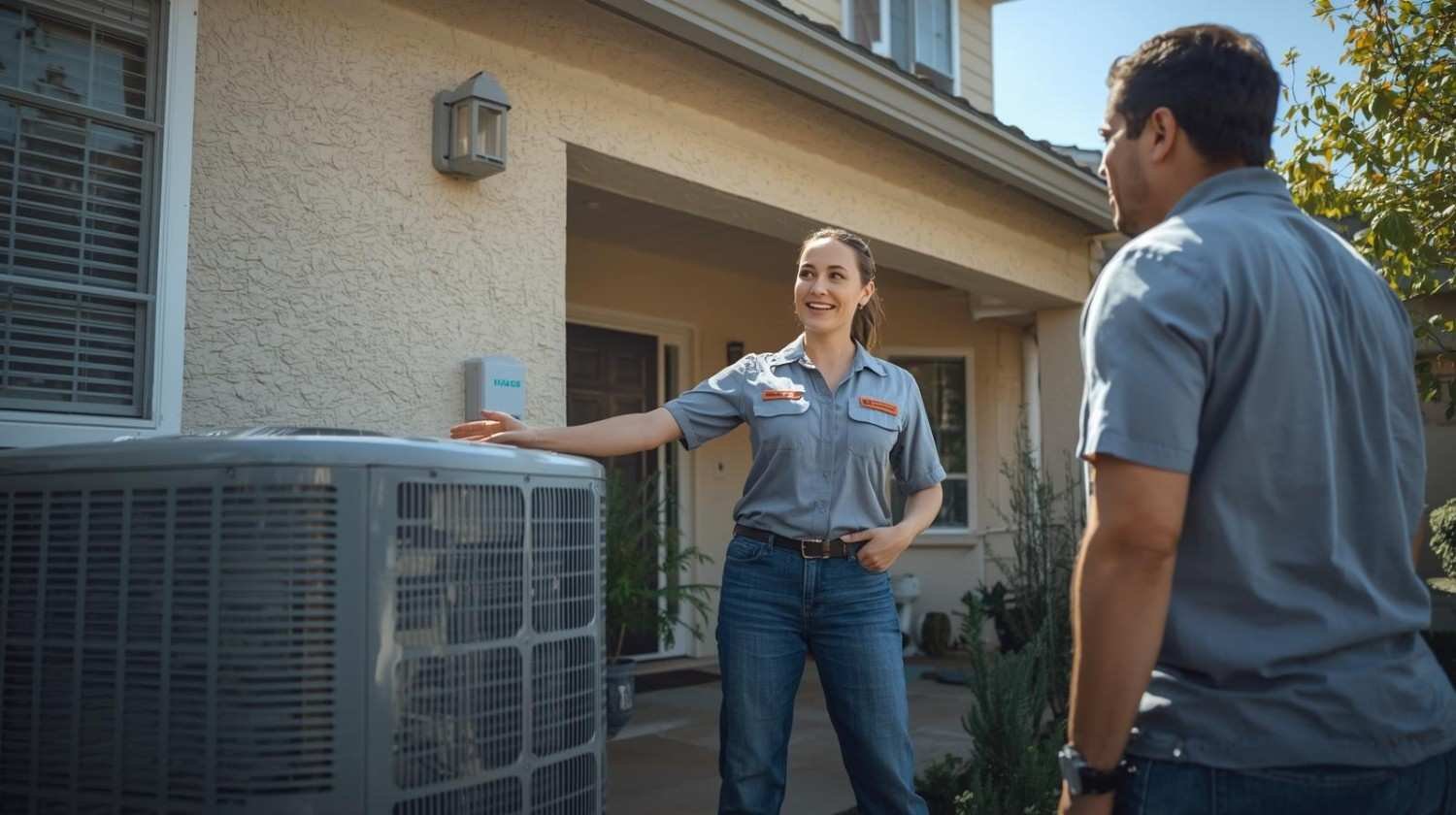
If your air conditioner is more than ten years old, you have likely faced this question already. Should you repair it again, or should you upgrade to a high-efficiency system? In hot climates like Lake Elsinore, this decision matters more than most homeowners realize.
Long summers, heat waves, and rising energy costs put extra stress on older AC systems. A repair may seem cheaper today, but it may cost more over time. On the other hand, a new high-efficiency system requires a larger investment upfront.
This guide helps you compare both options using real costs, energy savings, reliability, and comfort factors as of 2026. It gives you clear facts so you can decide what makes sense for your home and budget.
This information is provided by Air Conditioning Repair Lake Elsinore based on local experience and current HVAC trends.
Understanding AC Age, Lifespan, and Efficiency
Before comparing repair and replacement, you need to understand how age affects performance.
Typical AC Lifespan
Most central air conditioners last between 10 and 15 years. In hot climates, systems often reach the lower end of that range. Constant run time accelerates wear on compressors, motors, and electrical parts.
If your system is already past ten years, you are closer to the replacement window even if it still runs.
How Performance Declines Over Time
As an AC ages, efficiency drops. Components wear down, refrigerant pressures change, and airflow declines. Older systems often operate at SEER ratings between 8 and 13.
Modern systems start at 14 SEER and often reach 18 to 20 or higher. That difference directly affects energy use and comfort.
Impact of Hot Climates on Wear and Tear
In Lake Elsinore, AC systems run longer hours during peak summer months. This leads to higher stress on aging parts. Repairs become more frequent and less predictable as the system ages.
Cost Comparison: Repair vs Replacement
Cost is often the deciding factor, but it requires context.
Typical Repair Costs on Older Units
Repairs on older AC systems often cost more because parts wear out together. Common repairs include:
-
Capacitor or contactor replacement: $150 to $450
-
Fan motor replacement: $450 to $900
-
Refrigerant leak repair: $600 to $1,500
-
Compressor repair or replacement: $1,200 to $3,500
If your system uses older refrigerant, costs rise due to limited supply.
New AC Replacement Cost Ranges
In 2026, replacing a central AC system in Lake Elsinore typically costs between $7,500 and $15,000 before rebates. High-efficiency systems and heat pumps may cost more upfront but qualify for incentives.
Installation quality, duct condition, and system size affect final pricing.
The 50 Percent and Payback Rules Homeowners Use
Many homeowners follow a simple rule. If a repair costs more than 50 percent of a new system, replacement often makes more sense.
Another guideline looks at payback. If energy savings recover the cost difference within a reasonable time, replacement becomes the better choice.
Energy Efficiency and Monthly Savings
Energy efficiency plays a major role in hot climates.
What SEER Ratings Mean
SEER measures cooling output compared to energy use. Higher SEER means lower energy consumption for the same comfort level.
Older systems with low SEER ratings work harder and use more electricity to cool your home.
Typical Energy Savings in Hot Climates
Upgrading from a 10-year-old system to a high-efficiency model can reduce cooling costs by 20 to 40 percent. In Lake Elsinore, where AC use is high, those savings add up quickly.
Lower energy use also reduces strain on the electrical grid during peak demand.
Long-Term Cost Savings Over 5 to 10 Years
When you compare repair costs plus higher utility bills, replacement often costs less over time. Energy savings alone can offset a large part of the initial investment within five to ten years.
Reliability, Comfort, and Indoor Air Quality
Comfort goes beyond temperature.
Frequency of Breakdowns
Older AC systems break down more often. Each repair adds cost and inconvenience. During heat waves, breakdowns also create safety concerns.
New systems come with warranties and improved reliability.
Comfort Factors Beyond Cooling
High-efficiency systems offer better airflow control, quieter operation, and improved humidity management. These features help your home feel cooler at higher thermostat settings.
Impact on Indoor Air Quality
Modern systems support better filtration and airflow balance. This helps reduce dust and allergens, especially when paired with regular maintenance.
Environmental and Regulatory Considerations
Regulations affect repair and replacement decisions.
Refrigerant Changes
Older refrigerants are being phased out. Repairs involving refrigerant leaks cost more each year. Availability continues to decline, which increases long-term risk.
New systems use updated refrigerants that meet current standards.
Efficiency Standards and EPA Regulations
Minimum efficiency standards increased nationwide. New systems meet these requirements and prepare your home for future regulations.
Incentives That Affect the Decision
Incentives reduce the cost gap between repair and replacement.
Rebates for High-Efficiency Units
Utility and manufacturer rebates reduce upfront costs for qualifying systems. These rebates often apply only to new installations, not repairs.
Federal Tax Credits
Federal tax credits remain available in 2026 for qualifying high-efficiency systems. These credits lower total ownership cost over time.
Local Programs and Financing
Financing options also affect affordability. You can learn more in our guide on zero-down and low-interest options for replacing an old AC system.
When Repair Makes Sense
Repair remains a valid option in some cases.
Minor Issues in Otherwise Sound Systems
If your system is just over ten years old and has a minor issue, repair may extend its life for a few more seasons.
High Repair Costs but Short Remaining Life
If you plan to sell your home soon, a repair may make financial sense. You may not recover the full replacement cost before selling.
Situations Where Replacement Does Not Add Value
If your system already meets efficiency standards and runs reliably, replacement may not deliver immediate savings.
When Replacement Makes Sense
In many hot-climate cases, replacement offers better value.
Frequent or Major Failures
Repeated breakdowns signal declining reliability. Major repairs on compressors or coils often justify replacement.
High Electric Bills and Inefficiency
If cooling costs keep rising despite maintenance, efficiency loss is likely the cause.
Reliability and Comfort Needs in Hot Summers
High-efficiency systems handle heat waves better and maintain steady indoor comfort.
Decision Matrix: Repair vs Replace
A clear checklist helps guide your choice.
Age and Condition Checklist
-
System age over 10 years
-
History of frequent repairs
-
Declining performance
Cost vs Efficiency Comparison
-
Repair cost versus replacement cost
-
Energy savings potential
-
Incentives available
Payback Timeline Example
If replacement costs $9,000 and saves $1,200 per year in energy and repairs, payback occurs within seven to eight years.
Conclusion
In hot climates like Lake Elsinore, the decision to repair or replace a 10+ year-old AC system depends on cost, efficiency, and reliability. Repairs may offer short-term relief, but high-efficiency upgrades often provide better long-term value.
Understanding repair costs, energy savings, and incentives helps you make a confident choice. If you want an honest evaluation of your system, contact Air Conditioning Repair Lake Elsinore. You can request an assessment through our contact page.
FAQs — Homeowner Questions Answered
Most systems last 10 to 15 years, but heavy use often shortens lifespan in hot areas.
Replacement often makes sense after 10 to 12 years, especially with frequent repairs.
Yes. Many homeowners see 20 to 40 percent lower cooling costs.
Repairs involving older refrigerants often cost more due to limited availability.
Yes. Many rebates and tax credits remain available for qualifying systems.
Compare SEER ratings, estimated usage hours, and local energy rates.
Yes. New systems offer better airflow, humidity control, and quieter operation.