

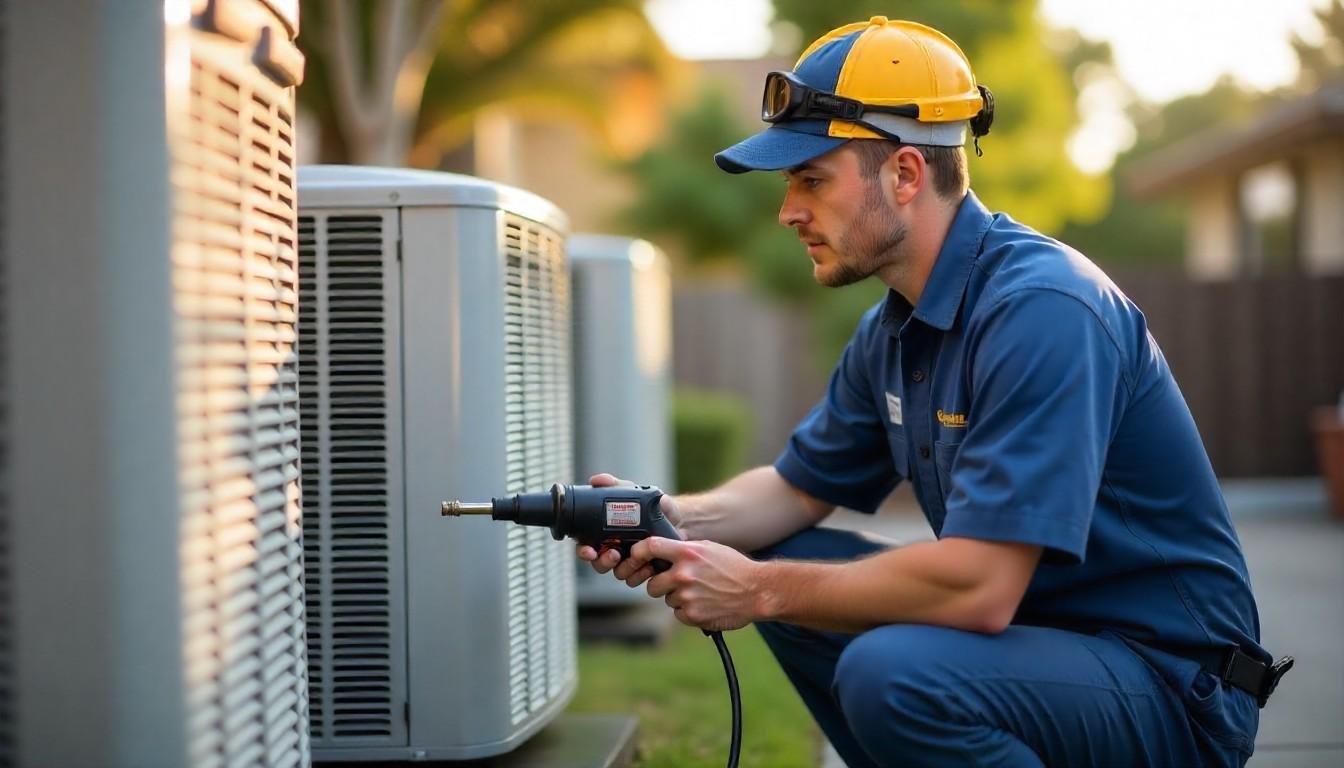
If your air conditioner has a refrigerant leak, you may already feel stressed about repair costs. In 2026, new refrigerant rules add another layer to that concern. These changes affect how technicians service AC systems, what refrigerants they can use, and how much repairs may cost. For homeowners and small businesses in Lake Elsinore, understanding these rules helps you avoid surprises and make better decisions.
This guide explains what the new refrigerant rules mean if your AC has a leak. You will learn how refrigerant works, why regulations changed, and what options you have if your system develops a problem. The goal is simple. You get clear answers so you can protect your comfort and your budget with help from Air Conditioning Repair Lake Elsinore.
Background: What Is a Refrigerant and Why It Matters
What Refrigerant Does in Your AC
Refrigerant is the fluid that absorbs heat from inside your home and releases it outside. Your AC cycles refrigerant through coils to cool indoor air. Without the right refrigerant level, your system cannot cool properly.
Most AC systems installed over the last decade use R-410A refrigerant. Older units may still rely on R-22, which is no longer produced. If refrigerant leaks, cooling efficiency drops, energy bills rise, and components can suffer damage.
Why Regulations Are Changing
Refrigerant rules changed because many older refrigerants contribute to climate harm. High global warming potential refrigerants release gases that stay in the atmosphere for years.
Federal and state agencies now require a gradual shift to refrigerants with lower environmental impact. These rules aim to reduce emissions while maintaining cooling performance. California follows some of the strictest standards, which directly affects Lake Elsinore homeowners.
Timeline of Key Refrigerant Rule Changes
The R-410A Phase-Out
As of January 1, 2025, manufacturers stopped producing new AC systems that use R-410A. This does not mean R-410A became illegal overnight. It means new equipment must now use lower global warming potential refrigerants.
If your AC uses R-410A, you can still operate and repair it. However, supply limits affect long-term costs.
Installation Deadline for Pre-2025 Equipment
By January 1, 2026, contractors can no longer install AC systems manufactured before the refrigerant transition deadline. That rule mainly affects unsold inventory, not systems already in homes.
For homeowners, this change matters when replacing a unit with a leak. You must install compliant equipment if replacement becomes necessary.
Ongoing Supply and Servicing of Older Refrigerants
R-410A production continues in limited amounts for servicing existing systems. Prices may increase due to reduced supply. R-22 relies on reclaimed refrigerant only, which already makes repairs costly.
These supply limits make leak repairs more expensive over time.
New Leak Management Rules (Effective 2026)
EPA’s Expanded Leak Repair Regulations
In 2026, updated EPA rules expanded leak management requirements. Systems with larger refrigerant charges face stricter oversight. While most residential systems fall below reporting thresholds, the rules still affect service practices.
Technicians must recover refrigerant properly and document repairs more carefully.
Leak Rate Thresholds and Requirements
Leak rate thresholds apply mostly to commercial systems. Still, residential service follows stricter recovery and handling rules. Technicians cannot top off leaking systems without addressing the leak.
This protects the environment and ensures safe operation.
Increased Focus on Leak Detection
New rules emphasize early leak detection. Contractors use improved tools and testing methods to find leaks quickly. This reduces refrigerant loss and protects system components.
Early detection saves money and prevents repeat service calls.
What This Means If Your AC Has a Leak
Servicing Your Existing AC
If your AC develops a leak, you can still repair it. However, refrigerant cost plays a larger role in your total bill. R-410A prices continue to rise as supply tightens.
Your technician must locate the leak, repair it, and recover refrigerant correctly. Skipping steps can violate regulations and harm your system.
When Refrigerant Can Be Added
Technicians can add refrigerant only after fixing the leak. They must use approved refrigerant types and recovery equipment. This ensures compliance with federal and California rules.
Working with a licensed professional protects you from improper service.
Documentation and Compliance
Technicians must document refrigerant handling and repairs. This protects both the contractor and the customer. Proper records help avoid disputes and ensure safe service.
A reputable local provider handles this process without extra hassle.
Cost Impacts and Trends
Refrigerant Price Trends
R-410A prices increased steadily since the phase-down began. Industry forecasts expect continued increases through 2026 and beyond. Each pound of refrigerant now costs more than it did five years ago.
For systems with large leaks, refrigerant cost can rival the price of major repairs.
Repair Costs vs Replacement Considerations
When leak repair costs rise, replacement becomes a serious option. If your system is over ten years old, repair costs may approach replacement value.
For guidance, review repairing a 10-year-old AC vs upgrading to high-efficiency to compare long-term value.
Safety and Environmental Considerations
Lower-GWP Refrigerants and Performance
New refrigerants such as R-32 and R-454B deliver strong cooling with lower environmental impact. These refrigerants operate at different pressures, so systems must be designed for them.
You cannot retrofit old systems to new refrigerants safely. Replacement becomes necessary when upgrading refrigerant type.
Handling Requirements and Certification
Only EPA-certified technicians can handle refrigerants. Certification ensures safe recovery, leak repair, and system charging.
Always verify that your contractor meets licensing and certification requirements. You can learn more about local expertise on the About Us page.
How to Prepare and Act If Your AC Has a Leak
Get Prompt Leak Detection
If you notice weak cooling, ice buildup, or hissing sounds, schedule service quickly. Early detection limits refrigerant loss and prevents compressor damage.
Prompt action often lowers repair costs.
Work With Certified Technicians
Certified technicians follow current refrigerant rules. They use proper tools and approved methods. This protects your system and ensures compliance.
If you need service on specific brands, explore pages like Trane air conditioning repair in Lake Elsinore or Lennox air conditioning repair in Lake Elsinore for brand-specific support.
Evaluate Replacement as an Option
If your system has multiple leaks or uses costly refrigerant, replacement may make sense. New systems use modern refrigerants and deliver better efficiency.
If financing concerns you, review zero-down and low-interest options for replacing an old AC system to plan your upgrade.
What Happens If You Ignore a Leak
Rising Repair Costs
Ignoring a leak increases refrigerant loss. Each service visit becomes more expensive as prices rise. Over time, repair costs add up quickly.
Potential Efficiency Loss
Low refrigerant reduces cooling capacity. Your AC runs longer, which increases energy bills and wear on components.
Compliance Risks
Technicians cannot legally recharge leaking systems without repair. Ignoring leaks delays service and can limit repair options later.
Conclusion
New refrigerant rules in 2026 affect how AC leaks get repaired. While you can still service existing systems, costs and procedures changed. Understanding these rules helps you act early and avoid expensive mistakes.
If you suspect a refrigerant leak, visit Air Conditioning Repair Lake Elsinore to schedule an inspection. You can also reach out through the contact page to discuss repair or replacement options with a local expert.
FAQs Homeowner Questions Answered
Yes, repairs remain legal, but refrigerant costs and handling rules apply.
No, but replacement may make sense if repair costs rise too high.
Yes, for existing systems, though supply is limited.
They contribute to climate harm and long-term emissions.
Yes, certification is required for legal and safe service.
They increase focus on proper repair before recharging.
If your system is aging or leaks repeatedly, replacement often offers better value.