

When your air conditioner needs repair, you often focus on the unit itself. You think about refrigerant, motors, or electrical parts. However, your AC system does not work alone. It relies on ductwork to move cooled air through your home. In Lake Elsinore, where AC systems run hard during long warm seasons, duct problems often hide behind common repair issues.
If you skip duct inspection during AC repair, you may fix one problem while another continues. This guide explains when AC repair should include duct inspection and cleaning, how it affects comfort and costs, and what homeowners should expect in 2026.
How Ducts Affect AC Performance
The Role of Ductwork in Cooling
Your AC cools air at the indoor unit, but ducts deliver that air to each room. If ducts leak, clog, or collect debris, cooled air never reaches you. Instead, it escapes into attics or crawl spaces. This forces your system to run longer and harder.
In many Lake Elsinore homes, duct systems sit in hot attic spaces. Heat exposure worsens leaks and weakens seals over time. Even a small duct issue can reduce cooling output by 20 to 30 percent.
Signs of Duct Problems
You may already notice duct issues without realizing it. Common signs include uneven room temperatures, weak airflow from vents, higher power bills, and visible dust near registers. Some homeowners hear whistling or rattling sounds when the AC runs.
If you see these signs while scheduling AC service, duct inspection should be part of the repair plan.
Common Situations When You Should Inspect and Clean Ducts
After Major AC Repairs
When a technician replaces a blower motor, coil, or air handler, they often disconnect sections of ductwork. This creates a natural opportunity to inspect duct condition. Loose joints, cracked insulation, and worn seals show up clearly during these repairs.
If you already invest in AC repair, duct inspection adds value without doubling labor time.
After Long Periods Without Maintenance
If your AC has not received routine service for several years, your ducts likely need attention. Dust, insulation fibers, and debris collect slowly. Over time, airflow drops and strain increases.
Homes that skipped routine tune ups often benefit from duct cleaning along with AC repair. This improves system response and lowers stress on repaired parts.
When Indoor Air Quality Is Poor
If you deal with allergies, asthma, or frequent dust buildup, your ducts may circulate contaminants. Dirty ducts spread pollen, pet dander, and fine particles throughout your home.
If your AC repair call relates to airflow or comfort complaints, duct inspection supports better indoor air quality. This connects directly with long term comfort goals discussed in guides like how AC maintenance improves indoor air quality for allergy and asthma sufferers.
When You Change Filters Frequently
If filters clog every few weeks, the problem may not be the filter. Duct leaks can pull dust from attics or crawl spaces into your system. Cleaning ducts and sealing leaks reduces filter strain and improves airflow.
Post Renovation or Construction Dust
Home upgrades create dust that settles inside ducts. Even small projects like drywall repair or flooring changes introduce debris. If your AC struggles after remodeling, duct cleaning often explains the issue.
What a Duct Inspection Includes
Visual and Camera Inspections
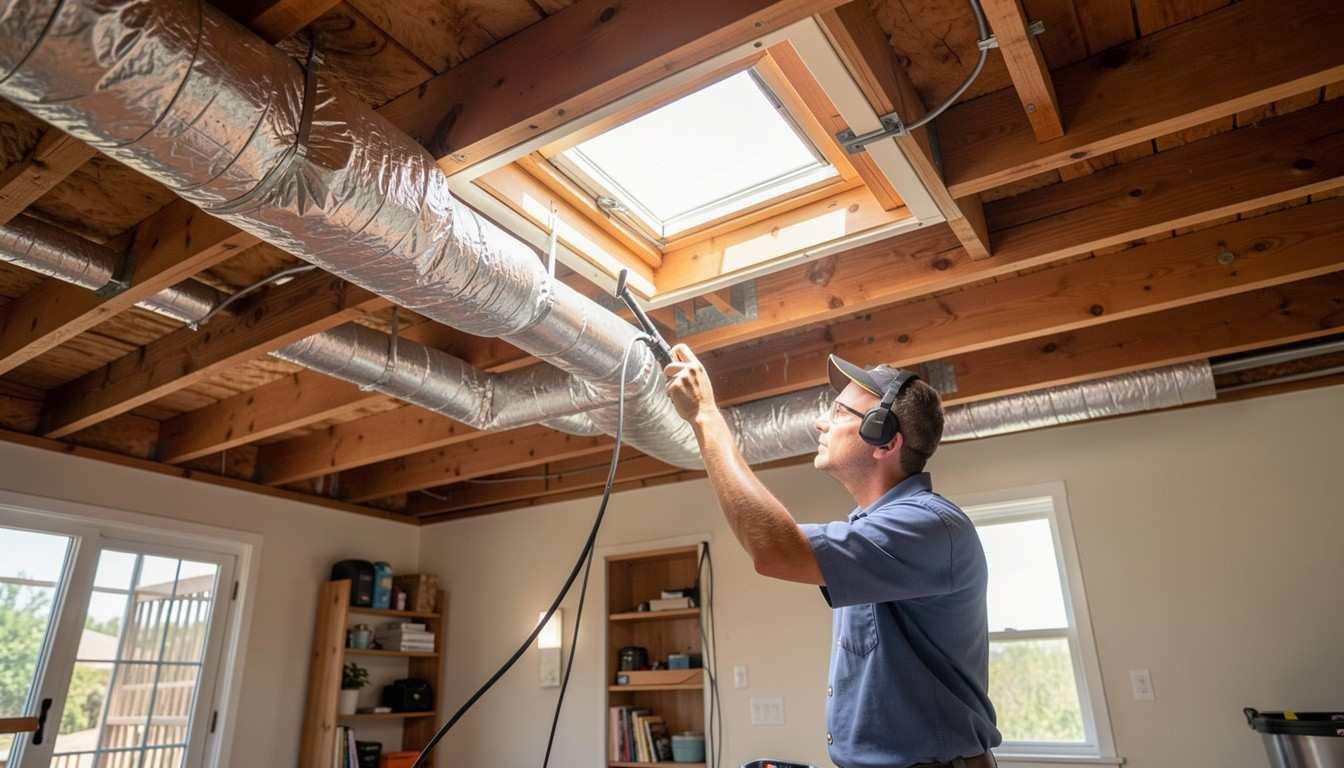
In 2026, most duct inspections include camera tools. Technicians check for collapsed sections, debris buildup, mold growth, and disconnected joints. This gives clear proof of duct condition.
Visual inspection also includes checking registers, plenums, and insulation integrity.
Airflow Measurement and Leakage Testing
Technicians measure airflow at supply vents to spot imbalances. Pressure tests identify leaks that steal cooled air. These tests show why rooms feel warmer even when the AC runs longer.
Duct Cleaning Methods
Professional duct cleaning uses negative pressure systems with rotating brushes. This removes debris without spreading it through your home. In specific cases, technicians apply antimicrobial treatments when moisture exposure exists.
Costs and Financial Benefits (2026 Data)
Typical Costs in Lake Elsinore
In 2026, duct inspection costs in Lake Elsinore often range from $89 to $199 when combined with AC repair. Full duct cleaning typically ranges from $350 to $750 depending on home size and duct condition.
Costs stay lower when inspection happens during scheduled AC service instead of as a separate visit.
How Clean Ducts Save Money
Clean ducts reduce airflow resistance. This lowers run time and energy use. Homeowners often see 10 to 15 percent lower cooling bills after sealing leaks and cleaning ducts.
This supports long term savings similar to benefits discussed in repairing a 10 year old AC vs upgrading to high efficiency in hot climates.
Avoiding Costly Repairs by Early Detection
Duct inspections catch moisture problems early. Mold and insulation damage worsen quickly if ignored. Early repairs cost far less than full duct replacement.
How Often Should Ducts Be Inspected and Cleaned
Recommended Schedules
Most homes benefit from duct inspection every 3 to 5 years. Cleaning frequency depends on lifestyle and system use. In warm climates like Lake Elsinore, higher AC usage justifies more frequent checks.
Factors That Change Frequency
Pets increase dander. Smokers increase residue. Allergy sensitive households benefit from shorter inspection cycles. Homes with mild winters may still use AC regularly, which supports inspection timing discussed in how mild winters affect your off season AC maintenance plan.
Indoor Air Quality and Health Considerations
Dust, Allergens, and Respiratory Health
Dirty ducts circulate particles that irritate lungs and sinuses. You breathe this air daily. Clean ducts reduce triggers and improve comfort.
How Cleaning Helps Allergy Sufferers
Duct cleaning removes buildup that filters miss. It reduces odors and airborne particles. This supports households managing respiratory symptoms.
Link to Overall IAQ Plan
Duct service works best alongside proper filtration. Understanding filter choices helps you plan upgrades described in MERV vs HEPA vs carbon filters.
DIY Checks vs Professional Service
What You Can Check on Your Own
You can remove vent covers and look for visible dust. You can note airflow strength and temperature differences. These steps help you decide when to call a professional.
When You Should Call a Professional
Camera inspection, pressure testing, and safe cleaning require trained technicians. Improper DIY cleaning risks damaging ducts and spreading debris.
What to Expect from a Professional Duct Service
Typical Inspection and Cleaning Process
Technicians explain findings before starting work. They protect floors and vents. Cleaning uses sealed equipment to prevent mess.
Communication and Reporting
You receive photos, airflow data, and recommendations. This transparency supports trust and informed decisions.
Follow Up Recommendations
After duct service, technicians may suggest sealing, balancing, or AC maintenance scheduling. You can also review pricing clarity tips in how to read an AC repair estimate and spot hidden fees.
Conclusion
AC repair should not stop at the unit when duct issues exist. Duct inspection and cleaning support airflow, comfort, and system life. In Lake Elsinore, high AC use makes duct health essential.
If you schedule AC repair and notice airflow issues, dust problems, or uneven cooling, duct inspection adds real value. It protects your investment and improves daily comfort.
You can learn more about local service options at Air Conditioning Repair Lake Elsinore or schedule an inspection through the contact page.
FAQs — Homeowner Questions Answered
Uneven cooling, dust buildup, and high energy bills signal duct issues.
Yes. Clean ducts improve airflow and reduce system strain.
Most homes pay between $350 and $750 depending on size and condition.
Yes. It reduces airborne irritants that trigger symptoms.
Every 3 to 5 years for most homes, sooner for allergy sensitive households.
No. Professional tools and techniques are required for safe results.
Yes. Combining services saves time, money, and improves system results.