

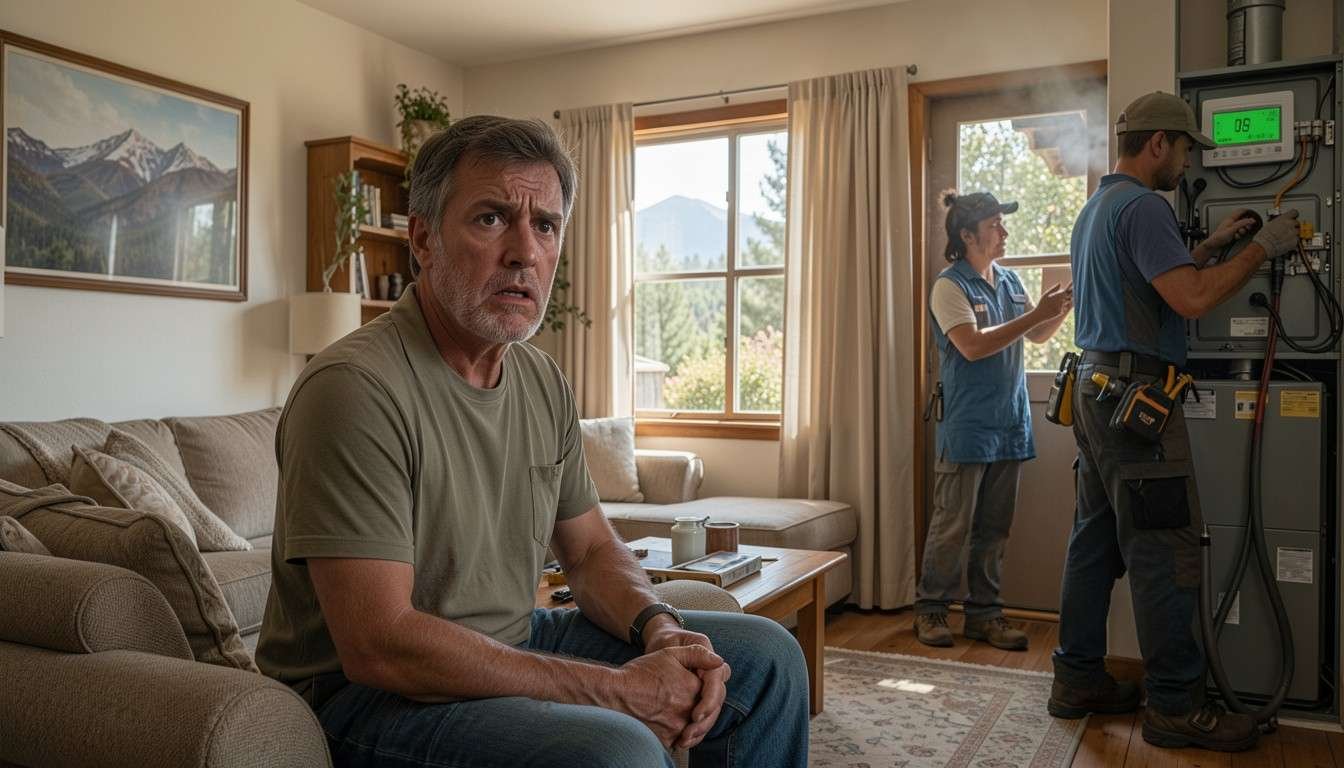
If you live in Lake Elsinore, extreme heat is more than a summer inconvenience. It is a real health issue, especially for kids, seniors, and people with medical conditions. During a heat wave, your air conditioner becomes one of the most important systems in your home.
That is why strange AC noises and smells feel scary. You are trying to decide if you should shut the system off and call for emergency AC repair or if you can wait a bit and schedule a normal visit. In this guide from Air Conditioning Repair Lake Elsinore, you will learn which AC noises and smells are true emergencies during extreme heat, which ones are urgent but less critical, and how to protect your family and your system.
Why Extreme Heat Makes AC Noises And Smells More Dangerous
During a Lake Elsinore heat wave, your AC can run 12 to 16 hours a day or even more. That long runtime puts heavy stress on your compressor, fan motors, capacitors, and wiring. Any weak part in the system is more likely to fail under this kind of load.
If you ignore warning noises or odors in mild weather, you might get away with it for a while. During extreme heat, that same delay can lead to a full breakdown, unsafe indoor temperatures, and emergency repair pricing. For vulnerable people, hours without cooling in triple‑digit heat can cause serious health problems. This is why you need a clear plan for which signs mean “shut it off now” and call for emergency AC repair in Lake Elsinore.
AC Noises You Should Treat As True Emergencies
You hear many sounds from your system over the years. Some are harmless, like a brief whoosh at startup. Others are warning signs that call for fast action.
In general, any new, loud, or repeating noise that sounds harsh or metallic is a red flag. If a noise makes you instinctively reach for the thermostat or breaker, it probably deserves an immediate check from a professional.
Loud Banging, Clanking, Or Thumping
If you hear banging or clanking from your indoor or outdoor unit, something is likely loose or broken inside. Common causes include:
- A loose or broken fan blade hitting the housing.
- A failing blower wheel in the indoor unit.
- Internal damage in an older compressor such as a broken connecting rod.
During a heat wave, running the AC with these sounds can turn a small mechanical issue into a major failure. A damaged fan can break free and destroy other parts. A failing compressor that keeps trying to run can seize completely and require a full replacement. In these cases, you should shut off the system and call for emergency AC repair in Lake Elsinore.
Screeching, Grinding, Or Metal-on-Metal Sounds
Screeching or grinding usually points to a motor problem. The most common causes are:
- Worn fan motor bearings.
- A blower motor that is starting to seize.
- Fan blades scraping against metal due to misalignment.
Grinding means metal parts are rubbing under high speed. This creates heat and can lead to a motor burning out. In extreme heat, you cannot count on the unit limping along for long. You should shut the system off and schedule emergency service.
Sudden Loud Hissing Or Whistling
A sharp hissing or whistling noise that shows up suddenly can signal:
- A refrigerant leak at a coil or line.
- High‑pressure refrigerant escaping.
- A large air leak near a coil or plenum.
Loss of refrigerant during a heat wave can cause the evaporator coil to freeze and the compressor to overheat. You might still have some cooling, but running the system in this condition can shorten the life of the compressor and raise your repair cost. Shut the unit off and call for fast service, especially if the noise is strong or close to living spaces.
Constant Buzzing Or Electrical Popping Sounds
Electrical noises should always get your attention. Continuous buzzing, sizzling, or popping can come from:
- A failing contactor.
- Loose electrical connections.
- A failing capacitor.
- Arcing at a control board or wiring.
These issues can lead to electrical shock or fire if ignored. During a heat wave, components already run hot, which increases the risk. If you hear these sounds, turn the system off and call an emergency HVAC technician for your Lake Elsinore home.
AC Smells That Are True Emergencies
Your nose can detect problems that your eyes and ears might miss. Some smells are mild and temporary. Others mean you should shut off the system right away.
If you smell something unfamiliar and strong, especially near the AC vents or equipment, take it seriously. You should never ignore burning, chemical, or gas‑like odors.
Burning Plastic, Hot Electrical, Or Ozone Smell
A burning smell, especially like plastic, rubber, or hot electrical wiring, often means:
- Overheated wires or connections.
- A motor or fan winding overheating.
- A control board burning.
In some cases, you may notice a faint burning dust smell the first time you turn the system on after months of being off. That can be normal as dust burns off electric elements. However, any strong or repeating burning odor calls for immediate action.
During extreme heat, this smell is a true emergency. Turn the AC off, avoid using breakers or switches if you see smoke, and call for emergency AC repair.
Strong Chemical, “Sweet,” Or Exhaust-Like Odor
Some refrigerants can give off a sweet or chemical smell if they leak near the air handler. You might also smell exhaust‑like fumes if the system pulls air from a garage or area with chemicals or fuel.
These odors can cause headaches, nausea, and breathing irritation, especially when people are already stressed by high temperatures. If you notice these smells while your AC runs, turn it off, ventilate the area if safe, and call a professional technician.
Rotten Egg Or Gas-Like Smell (For Gas Furnace/Package Units)
Most central ACs in Lake Elsinore are paired with gas furnaces or package units. If you smell rotten eggs or a gas‑like odor, you may have:
- A natural gas leak near the furnace or gas line.
- Gas seeping into ducts and spreading through the home.
This is an emergency that goes beyond HVAC. If you suspect gas, shut off the system, leave the home, avoid open flames and switches, and call your gas company or emergency services first. After the area is safe, you can schedule AC and furnace repair.
Persistent Musty Or Moldy Odors
A musty smell like wet socks or damp basement usually means:
- Mold or mildew in the drain pan.
- Biofilm on the evaporator coil.
- Mold in the ducts.
This may not be as immediately dangerous as electrical or gas smells, but it still matters. Mold affects indoor air quality and can trigger asthma and allergy symptoms, especially during long hours of AC runtime in a heat wave. You should call for prompt service, especially if someone in your home has breathing issues.
For more on how AC maintenance supports air quality, you can read your AC maintenance and indoor air quality guide on your indoor air quality page.
Noises And Smells That Are Urgent But Not Always “Call 911” Emergencies
Some noises and smells sit in a gray area. They need attention, but you may not have to shut the system down instantly if cooling is still stable and no strong burning or gas odors are present.
Examples include:
- A mild rattling panel or loose grille.
- A brief squeal at startup that goes away.
- A light dusty smell the first time you start the system after months of no use.
In these cases, you should still schedule a same‑day or next‑day visit, especially during extreme heat. You do not want a small issue to become a breakdown during the peak of a Lake Elsinore heat wave. Our article on common AC problems in older homes vs new construction can give homeowners more context on how system age affects noise and smell issues.
How Extreme Heat Changes Your “Shut It Off Or Keep It On” Decision
During mild weather, you might shut off a noisy AC and wait for a regular appointment. In extreme heat, that choice is more complicated. You have to balance:
- The risk of running a unit with a fault.
- The health risk of your home heating up to unsafe temperatures.
Here are practical guidelines:
- Always shut off and call for emergency AC repair for burning smells, strong gas‑like odors, loud banging, grinding, or electrical popping.
- For mild rattling, short squeals, or light musty smells with good cooling, you may choose to keep the system on while you wait for a same‑day or next‑day visit, but you should not ignore them.
If your home has people who are more sensitive to heat, such as seniors, infants, or people with health issues, treat loss of cooling during a heat wave as a true emergency, even if the system fails quietly. Our article about why AC systems fail more often during late summer heat spikes is a helpful resource for this topic.
2025–2026 Advancements: Smart Alerts, Sensors, And Remote Monitoring
Smart HVAC technology has improved a lot by 2026. Many systems and thermostats now monitor:
- Runtime and energy use.
- Temperature and humidity patterns.
- In some cases, motor vibration and noise signatures.
These tools can send alerts when they detect unusual behavior, such as a sudden jump in energy use, frequent short cycles, or poor cooling performance. Some manufacturers are also adding AI‑driven “predictive fault” monitoring that flags issues weeks before failure.
As a Lake Elsinore homeowner, you can pair this smart technology with professional service from Air Conditioning Repair Lake Elsinore to catch problems before they turn into loud noises, burning smells, or full breakdowns. Our articles on using smart sensors and zoning to reduce AC runtime and wear and can smart AC systems actually reduce repair bills are ideal internal links for readers who want to go deeper.
What Works To Prevent AC Emergencies During Heat Waves (And What Doesn’t)
Preventing AC emergencies during a Lake Elsinore heat wave is much easier than dealing with one. The most effective steps include:
- Scheduling annual or twice‑yearly AC tune‑ups that include electrical tests, motor checks, capacitor testing, and drain line cleaning.
- Replacing weak capacitors and worn fan motors before peak summer, especially in systems that are 8 to 10 years old.
- Keeping filters clean and ducts in good shape to maintain airflow and reduce strain.
On the other hand, these habits usually do not work:
- Ignoring “small” noises because the AC still cools. Many emergency calls start this way.
- Resetting breakers over and over instead of finding the cause.
- Pouring random chemicals into drain lines or trying DIY refrigerant fixes.
- Relying on an old system through hotter summers without any planning for replacement.
If your unit is around a decade old and you are spending more each year on repairs, our article on repairing a 10‑year‑old AC vs upgrading to high efficiency in hot climates gives homeowners a clear way to compare options.
Lake Elsinore–Specific AC Emergency Nuances
Lake Elsinore and the Inland Empire have seen more intense heat periods and more days in high temperature ranges. During these stretches, AC repair companies are flooded with calls, and wait times can grow if you call late in the day.
The most common emergency calls in this area during heat spikes involve:
- Failed capacitors that keep compressors and fan motors from starting.
- Burned‑out fan motors from running for long hours in high temperatures.
- Electrical issues from overloaded circuits.
- Drain backups that cause indoor leaks while systems run nonstop.
Air Conditioning Repair Lake Elsinore prioritizes true emergencies such as burning or gas smells, loud mechanical noises, and full loss of cooling during heat alerts. When you call, describe what you hear, what you smell, and how hot your home is. This helps the team schedule you correctly and respond in the safest way. You can learn more about how the company works on the about us page and request help through the contact page.
Costs, Financial Risk, And Why Fast Action Often Saves Money
It is easy to delay a service call when your AC still runs. However, waiting can move you from a small repair to a major one. For example, replacing a loose part or a weak capacitor early usually costs much less than replacing a failed compressor or motor later.
Emergency calls during extreme heat can cost more, but they still often save money compared to letting a serious issue continue and damage more parts. You also avoid the hidden cost of health risks and potential water or smoke damage.
Many Lake Elsinore homeowners now use maintenance plans and seasonal inspections to keep costs under control. Our guides on how to read an AC repair estimate and spot hidden fees or upsells and zero down and low interest options for replacing an old AC system help readers make smart financial choices. Your HVAC rebate checklist is also useful for anyone considering a new unit.
When To Call For Emergency AC Repair In Lake Elsinore
You do not want to guess during a heat wave. Here is a simple checklist you can follow:
Call for immediate emergency AC repair and shut the system off if you notice:
- Burning plastic, hot electrical, or gas‑like smells.
- Loud banging, clanking, grinding, or screeching.
- Electrical popping or constant buzzing from the unit.
- Rotten egg smell that could mean a gas leak near HVAC equipment.
Schedule same‑day or next‑day service if you notice:
- Musty or moldy odors from vents.
- Mild rattling or intermittent squeaks.
- Reduced airflow or longer run times without strong odors.
Treat any loss of cooling during a heat wave as a high priority, especially for homes with vulnerable residents. In these situations, you can contact Air Conditioning Repair Lake Elsinore through the main service page or contact page and mention that you have no cooling during extreme heat.
Conclusion
Paying attention to what you hear and smell from your AC can protect your family and your system during the hottest days in Lake Elsinore. If a noise or odor makes you uneasy, you are better off getting it checked before it becomes a major emergency.
Air Conditioning Repair Lake Elsinore is here to help you sort out which AC noises and smells are true emergencies and which ones simply need fast, professional attention. If you are hearing banging, grinding, electrical buzzing, or noticing burning, chemical, or gas‑like smells, reach out now so you can stay safe and cool through the next heat wave.
FAQs
Q1. Which AC noises are true emergencies during extreme heat?
Loud banging, clanking, grinding, screeching, or continuous electrical buzzing are emergency noises. They often indicate failing motors, loose or broken parts, or electrical issues that can lead to major damage or fire risk.
Q2. What AC smells should make me shut the system off immediately?
You should shut the system off for burning plastic or electrical odors, strong chemical or “sweet” smells near the unit, and any gas‑like or rotten egg odor. These smells can signal electrical faults, refrigerant problems, or natural gas leaks.
Q3. Is a musty or moldy smell a true emergency?
A musty smell from your vents usually indicates mold in the coil, drain pan, or ducts. While it may not require a 911‑level response, it is urgent, especially for people with asthma or allergies, and you should schedule professional AC service soon.
Q4. Can I keep running my noisy AC during a heat wave if it still cools?
If the noise is harsh, like grinding, banging, or electrical popping, you should not keep running the system, even in extreme heat, because the risk of fire or major damage is high. For minor rattles with good cooling, you can often run it briefly while you wait for same‑day service, but you should not delay the call.
Q5. Why do AC emergencies increase during Lake Elsinore heat waves?
Extreme heat forces systems to run longer, which exposes weak capacitors, motors, and wiring. This leads to higher failure rates and more emergency calls at the same time, which can increase wait times for repair.
Q6. How can smart thermostats and sensors help me avoid AC emergencies?
Smart controls and AI‑driven monitoring can track performance, detect unusual patterns like low refrigerant or clogged filters, and alert you before a part fails. This gives you time to schedule repairs before noises and smells appear or the system stops cooling.
Q7. What is the best way to avoid AC noises and smells turning into a full breakdown?
Regular maintenance, timely replacement of weak electrical parts, clean filters, healthy ductwork, and prompt service when you first notice any unusual sound or odor give you the best protection. This approach lowers both emergency risk and long‑term repair costs.